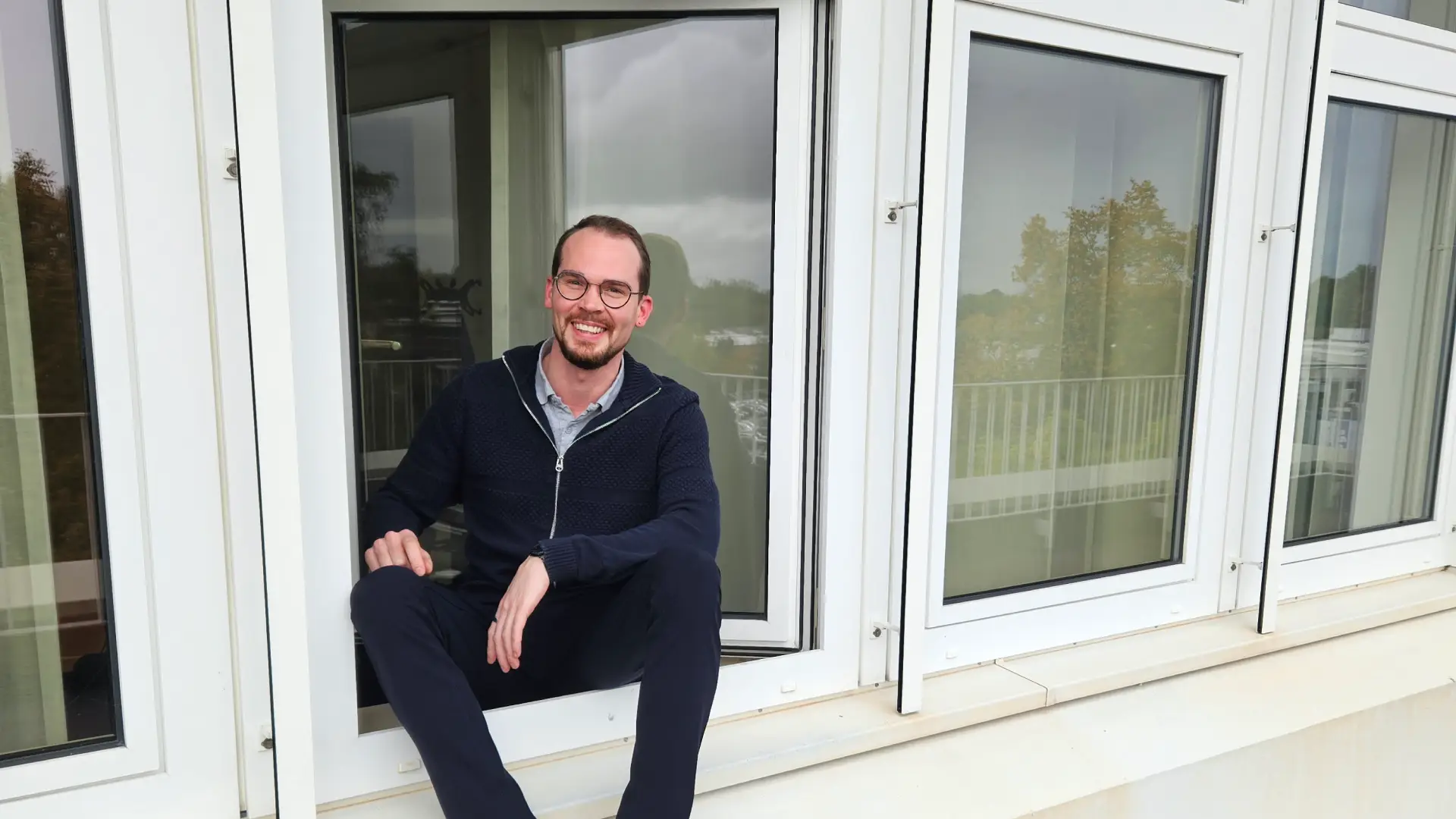
Alexander Friese, Körber site: Hamburg, Germany
Twelve years ago, I started working at Körber as a service technician.
My job was clear:
assemble machines, commission them, and get them running at the customer’s site.
I liked that.
After a few years, I was really in my element.
But while I was working on the machines, something else happened.
I became more curious.
I wanted to understand what was behind the technology.
How are machines developed?
How are they sold?
What happens in product management?
In our production hall, there’s a quote that our company’s founder put up on the wall.
I must have walked past it hundreds of times. At some point, it stuck with me.
"There is no shame in not knowing something. The shame is in not being willing to learn.”
This sentence triggered something in me.
At some point, I approached my manager.
He said, “If you want to move in a new direction, I’ll support you.”
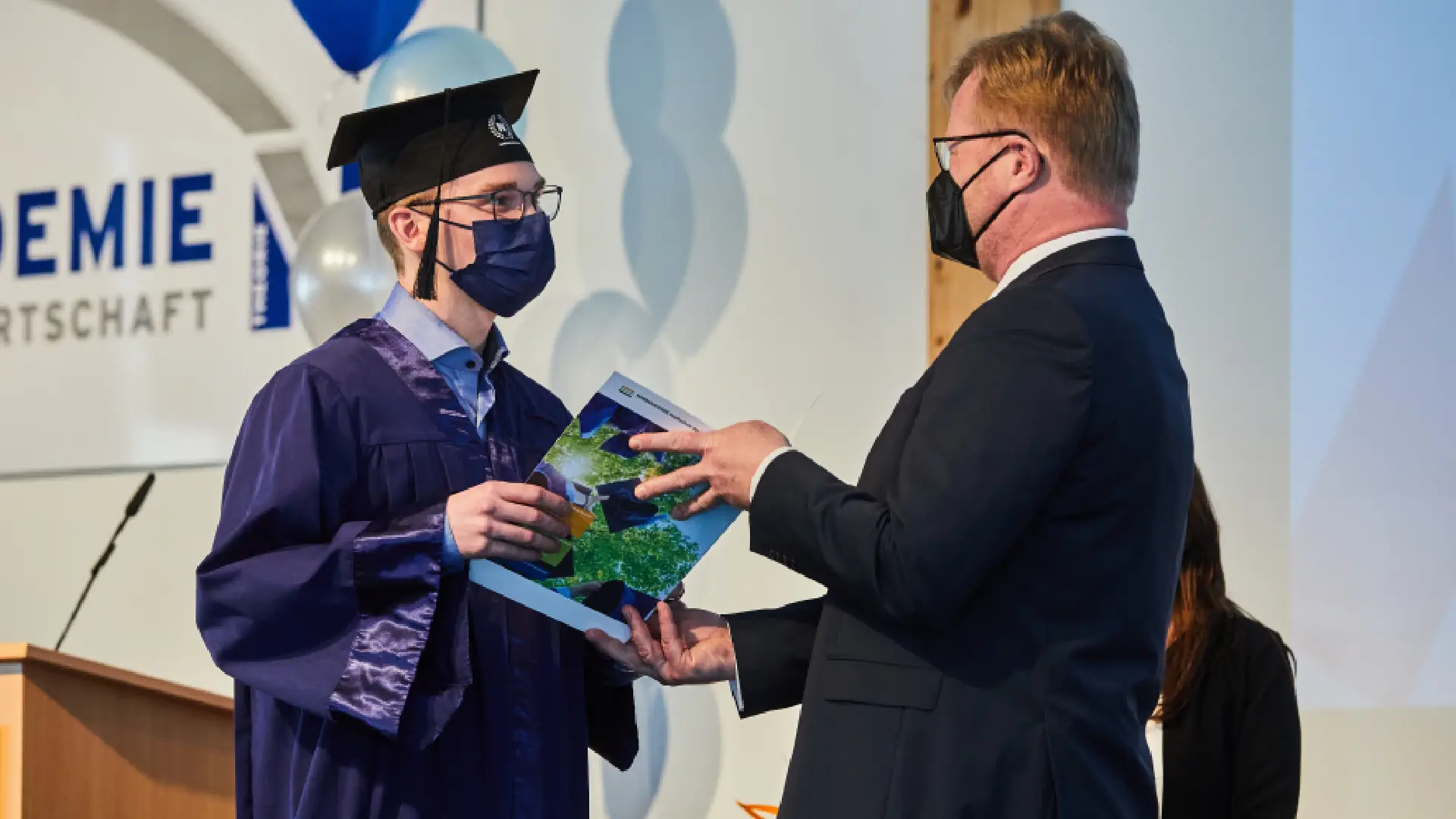
Shortly after that, I got the chance to start a dual study program at Körber.
But that meant giving up my permanent contract as a service technician
and move into a trainee role.
With no guarantee of what would come next.
Of course, that felt risky at first.
But it felt right.
Because Körber trusted me to grow.
And I made sure to live up to that trust.
The best thing about the program was the opportunity to try new things.
Every few months, I could move to a different department.
Engineering.
Product management.
Sales.
Marketing.
Sometimes I wondered:
Can I really do this?
But the answer was always the same:
“Just give it a try.”
And that's exactly what made the difference.
Today, I work in a role where I connect different areas and processes.
And I'm not an expert in everything.
Sometimes that's even an advantage.
Because experts often have tunnel vision –
almost automatically.
When you do something for years, at some point you stop questioning it.
That’s why curiosity matters.