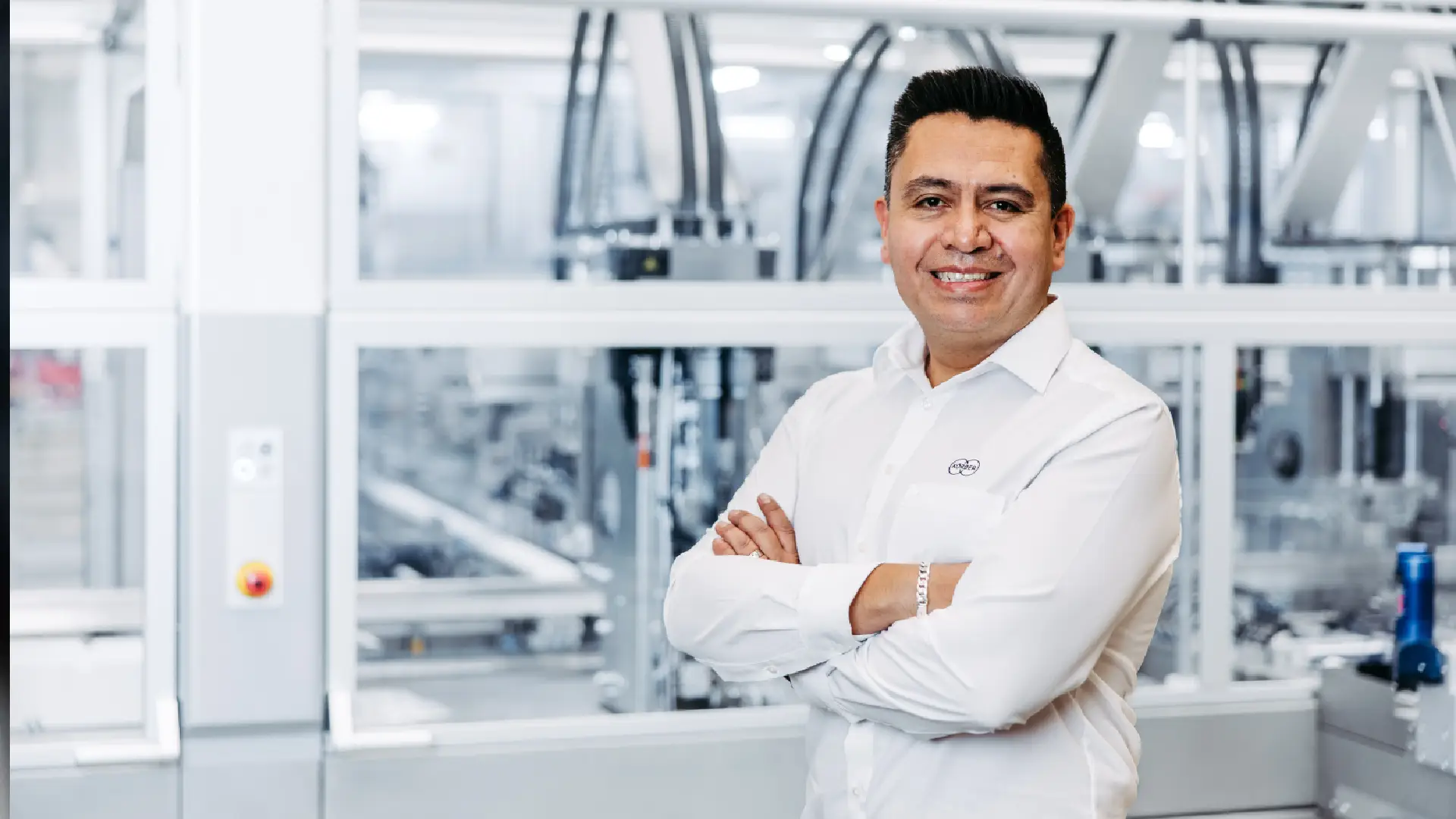
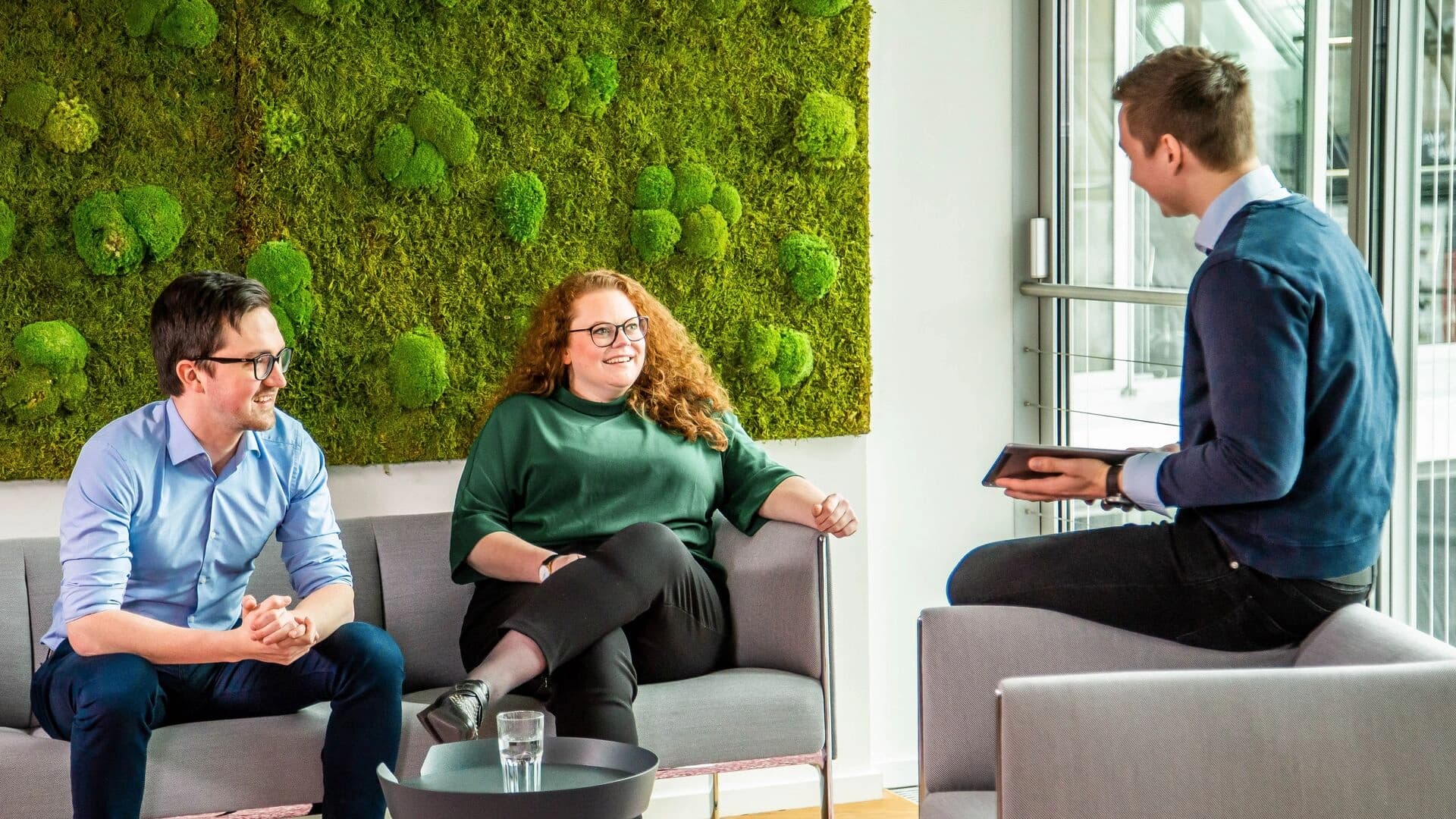
Juan Aceves, Körber site: Grabs, Switzerland
I’m originally from Mexico.
Ten years ago, my journey brought me to Grabs, Switzerland, to start at Körber.
When I think about what Körber means to me, two words come to mind immediately:
openness and flexibility.
I experience this in my own work.
I see it in the way we collaborate internally.
And I see it in how we work with our customers too.
Here at Körber, structures and processes matter.
They give us direction, quality, and reliability.
But our true strength emerges when new challenges arise – and solutions are needed that don't fit into predefined categories.
It's precisely in those moments that openness becomes the decisive factor.
That's when we have to think beyond routines.
Make room for different perspectives.
Allow ideas that initially seem unfamiliar.
This is exactly where innovation comes from.
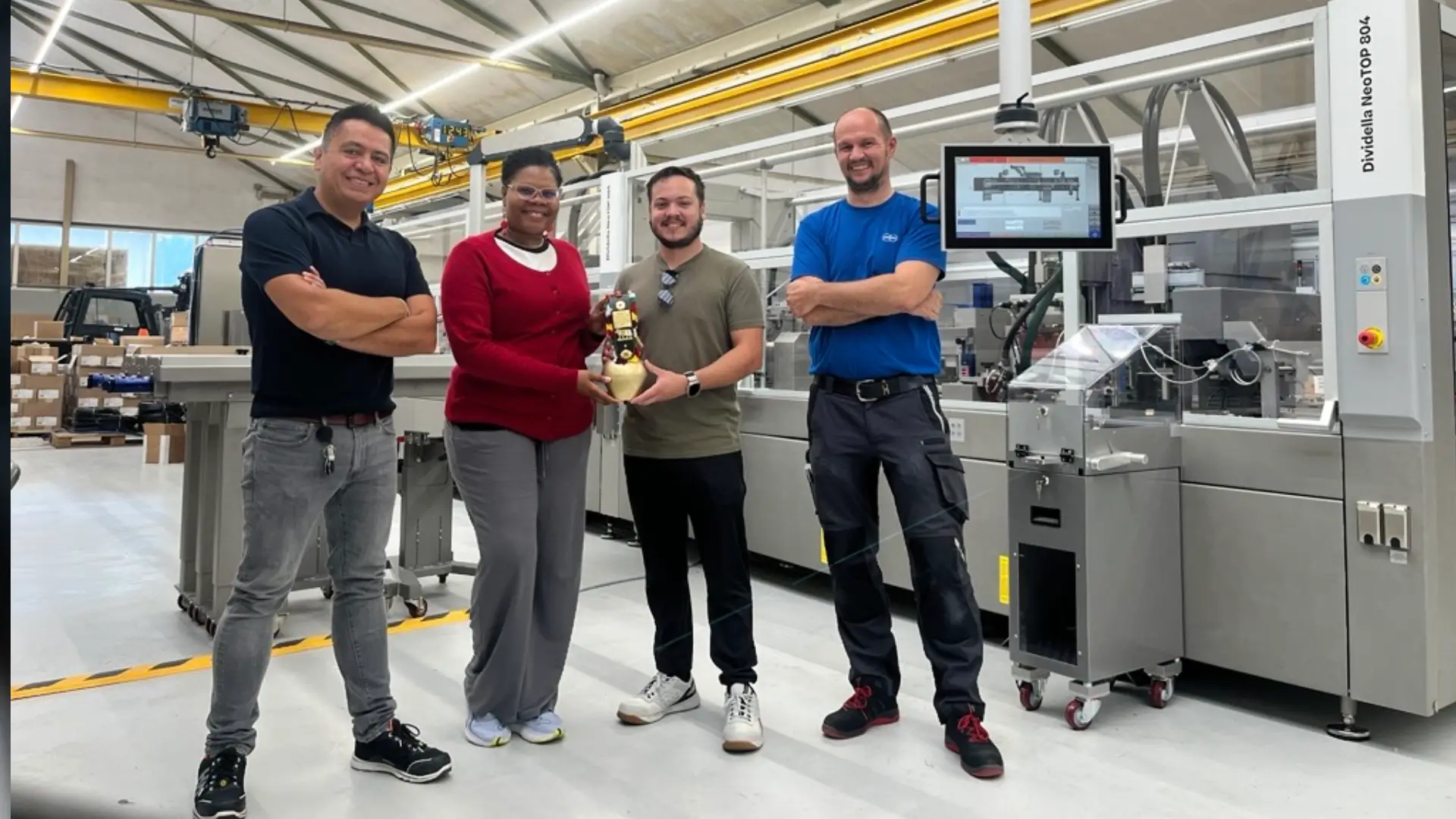
Through my close contact with customers, I've learned how much this mindset is valued.
Buying a machine is always about more than the machine itself.
It's about the entire journey – the collaboration, the project management, cross-functional communication, solving problems together.
Customers sense that we're open to their input.
That we respond flexibly to new requirements.
And that even when we have to say "no," there's a clear, understandable reason behind it
– as a contribution to finding the best solution.
But openness isn't just a principle in our customer interactions.
It also shapes how we work with each other.
One decision stands out in my memory.
For many years, our team's task was primarily to report on the status of our projects.
But we didn't shape the reporting process itself.
About two years ago, that changed.
We took responsibility.
It was no longer just about passing on information.
It was about creating transparency – by speaking openly about progress, challenges, and risks.
This shift wasn't easy.
Because transparency doesn't always mean bringing good news.
Standing in front of others and clearly naming challenges requires confidence – and a culture that supports this open exchange.
Instead of asking: "Where's the problem?",
we now ask: "Where's the problem – and how do we solve it together?"
That shift made a real difference.
What surprised me most wasn't the change itself – but how natural it ultimately felt.
Something that had always been part of project management
became fully integrated into our responsibility.
With responsibility came clarity.
With clarity came trust.
With trust came stronger collaboration.
I believe this development is closely tied to the organization's growth.
The growth has reinforced our thinking about how we communicate, lead, and take responsibility.