- Intelligent, integrated solutions
- ...
- Material Transfer Solutions
- Rapid Decon Station
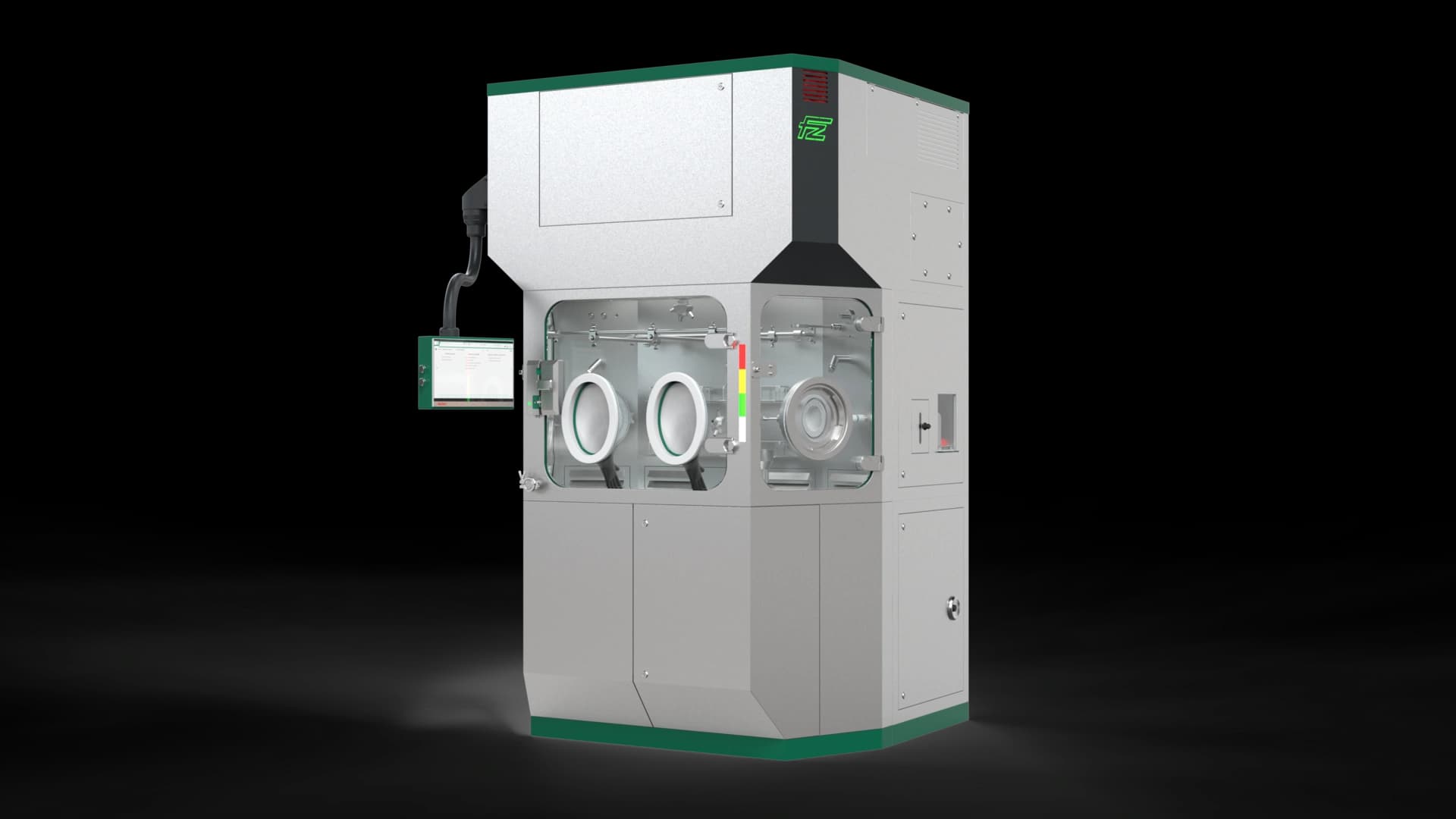
Rapid Decon Station (RDS)
Enable fast, controlled transfer and storage of sterile and non-sterile materials between cleanroom zones while minimizing contamination risks and maintaining aseptic conditions.
Ensure product integrity with innovative aseptic technologies
Benefits
Easy, fast and safe material transfer
RDS enables the controlled transfer of non-autoclavable components into cleanrooms or isolators under defined aseptic conditions, while meeting all safety and compliance requirements.
High product protection with small footprint
Reduce contamination risks in aseptic environments through integrated bio-decontamination processes, all housed in a highly compact system.
Flexible multi-system operation
With a flexible transfer approach, RDS can operate across multiple isolators and production lines, supporting complex pharmaceutical manufacturing setups.
Faster transfer cycles
Speed up the material transfer process with fast decontamination cycle times that enable frequent loading and unloading during a shift.
Continuous material availability
Enable continuous and parallel replenishment and storage of sterile consumables without interrupting production.
Efficiency & Product Integrity
RDS: easy to work with
The Rapid Decon Station (RDS) is the flexible and fast material transfer chamber for decontamination of goods and RTP transfer containers. The chamber, including its contents, can be contaminated in less than 30 minutes.
The system is particularly suitable for supplying isolators during campaign operations.
Key features & capabilities
Explore the main technical features of the Rapid Decon Station.
Main differences
Rapid Decon Station vs. Rapid Decon Hatch
Related Solutions
Explore other decontamination solutions.

Rapid Decon Hatch
Integrated decontamination units designed for high-speed sterilization within pharmaceutical workflows.
LAF transport trolley
A mobile trolley equipped with a laminar air flow unit to ensure the sterile transport of materials between different cleanroom zones.