- Insights, stories & events
- Körber Anniversary
- 80 years of Körber
Joris Brand: Nemawashi
For Joris, working in Japan changed his perspective on decision-making. There, he learned a principle that reveals a lot about collaboration: before you can move a tree, you first have to understand its roots.
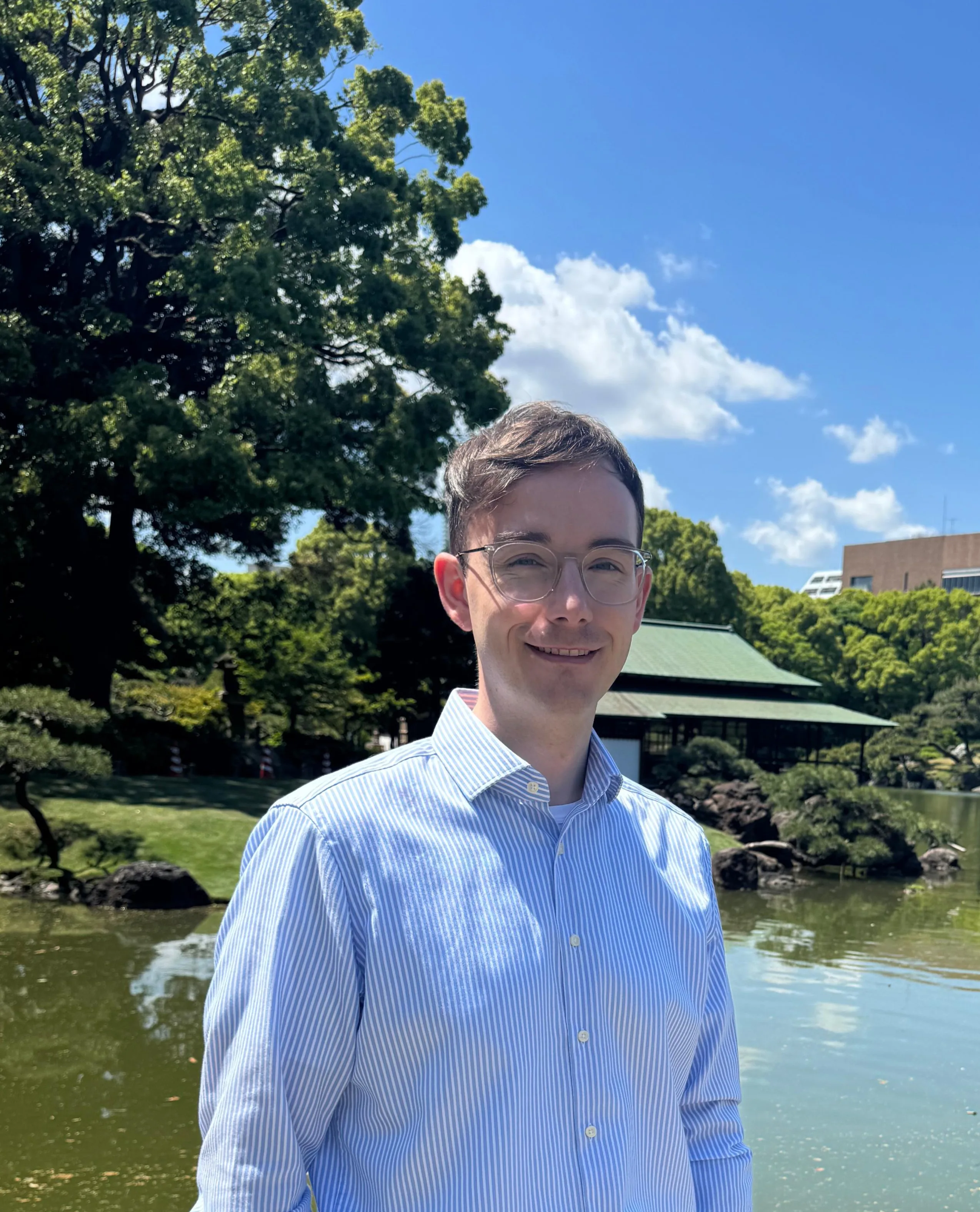
80 years of Körber
"Part of my job is therefore to build bridges."
Joris Brand
Körber site: Tokyo, Japan
I talk to individual participants, clarify misunderstandings, listen carefully, and try to understand what expectations and perspectives are on the table.
This is because in Japan, much of the actual coordination takes place before the meeting.
During the meeting itself, usually only the decision made is communicated among everyone.
Working in Japan has shown me how important patience, respect, and harmony are for sustainable decisions.
At the same time, we bring something equally valuable from Germany:
clear communication, structure, and strong implementation skills.
When both perspectives come together, something new emerges.
Not the German way of working.
Not the Japanese way of working.
But a collaboration that combines the best of both worlds.
The principle nemawashi stays with me to this day.
Those who try to simply cut down a tree cause damage.
Those who first understand where the roots lie and expose them can move it without destroying anything.
For me, this image describes very well how good collaboration works.
You listen.
You build trust.
You understand where the roots lie.
And only then do you move the tree.
Together.

Read more stories about Körber and the people behind our growth
You may also be interested in: