Open Restricted Access Barrier System (oRABS)
Maintain product integrity in aseptic filling and freeze dryer loading through a controlled barrier system that combines unidirectional airflow (UDAF) with a hygienic design.
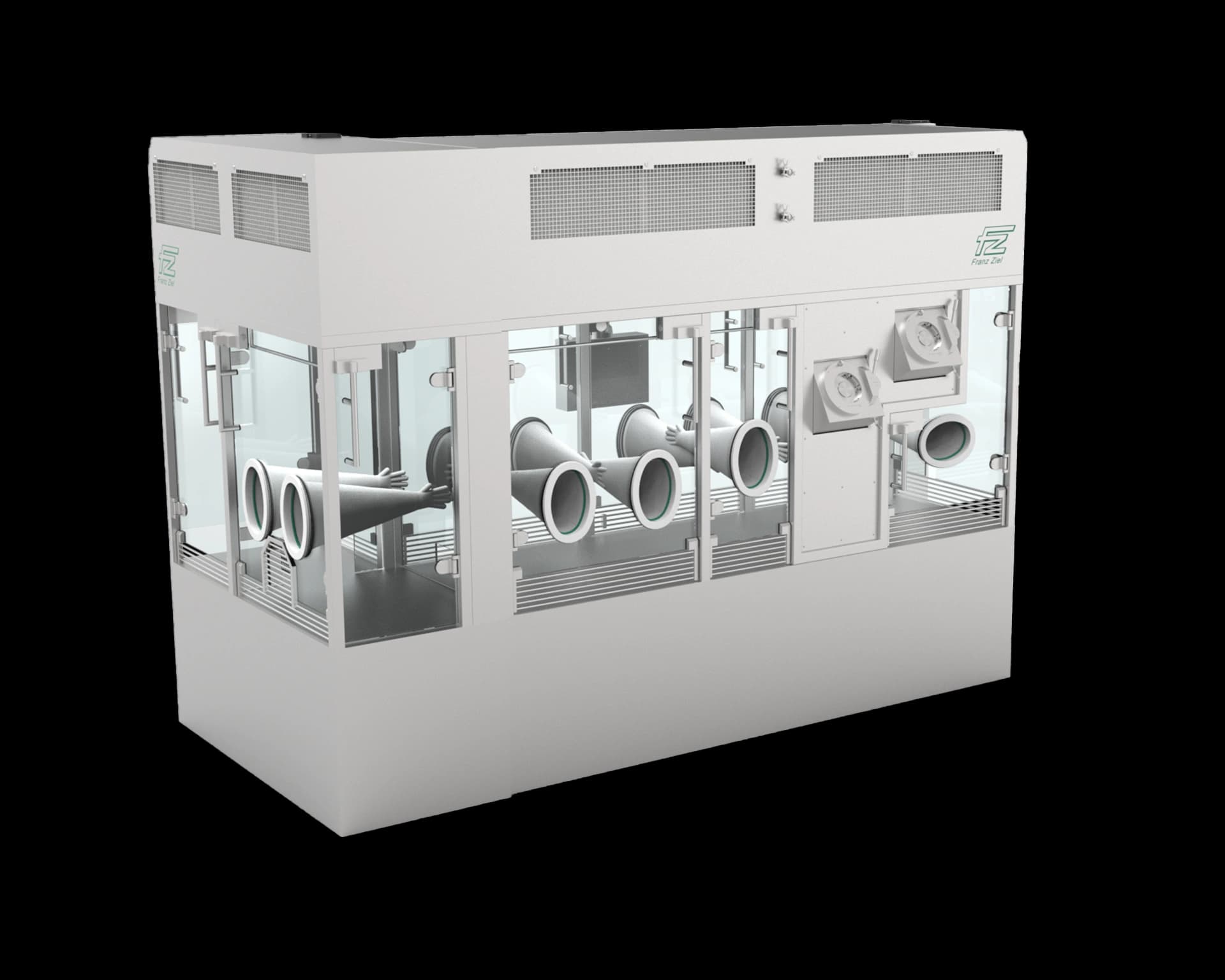
Designed for controlled aseptic processing.
Benefits
Safety
Safety for process and operator
Reduce the risks of contamination and exposure. The oRABS housing with glove access creates a physical barrier between operator and product, reducing contamination risks.
Reduced risks
Controlled aseptic conditions
Ensure your products are processed under controlled aseptic conditions, reducing contamination risks for vials, syringes, cartridges and bags.
Regulations
GMP compliance
Ensure your production processes meet strict pharmaceutical industry standards with a solution designed for hygienic operation and controlled environments.
Customization
Tailored to your needs
Choose a machine that adjusts to your process. Whether you are filling unique syringes or loading a specific type of freeze dryer, the oRABS is customized to fit your operation’s needs.
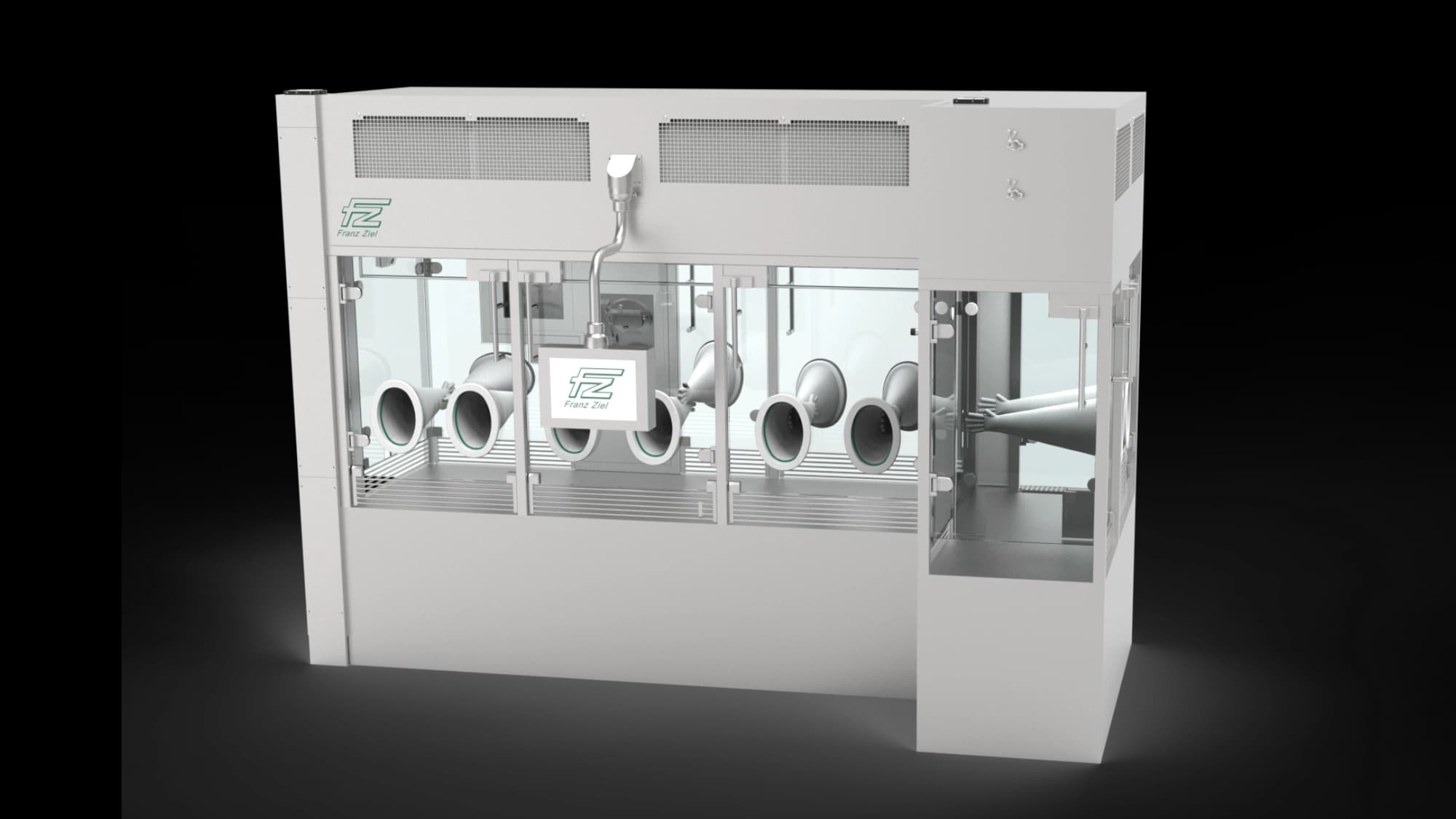
Consistent conditions across critical operations
The Open Restricted Access Barrier System (oRABS) is designed to support compliant aseptic processing by creating a controlled barrier between operator and product.
Its combination of unidirectional airflow (UDAF), coordinated technology and compact design ensures stable, reproducible conditions during filling, freeze dryer loading and other processes.
Features & capabilities
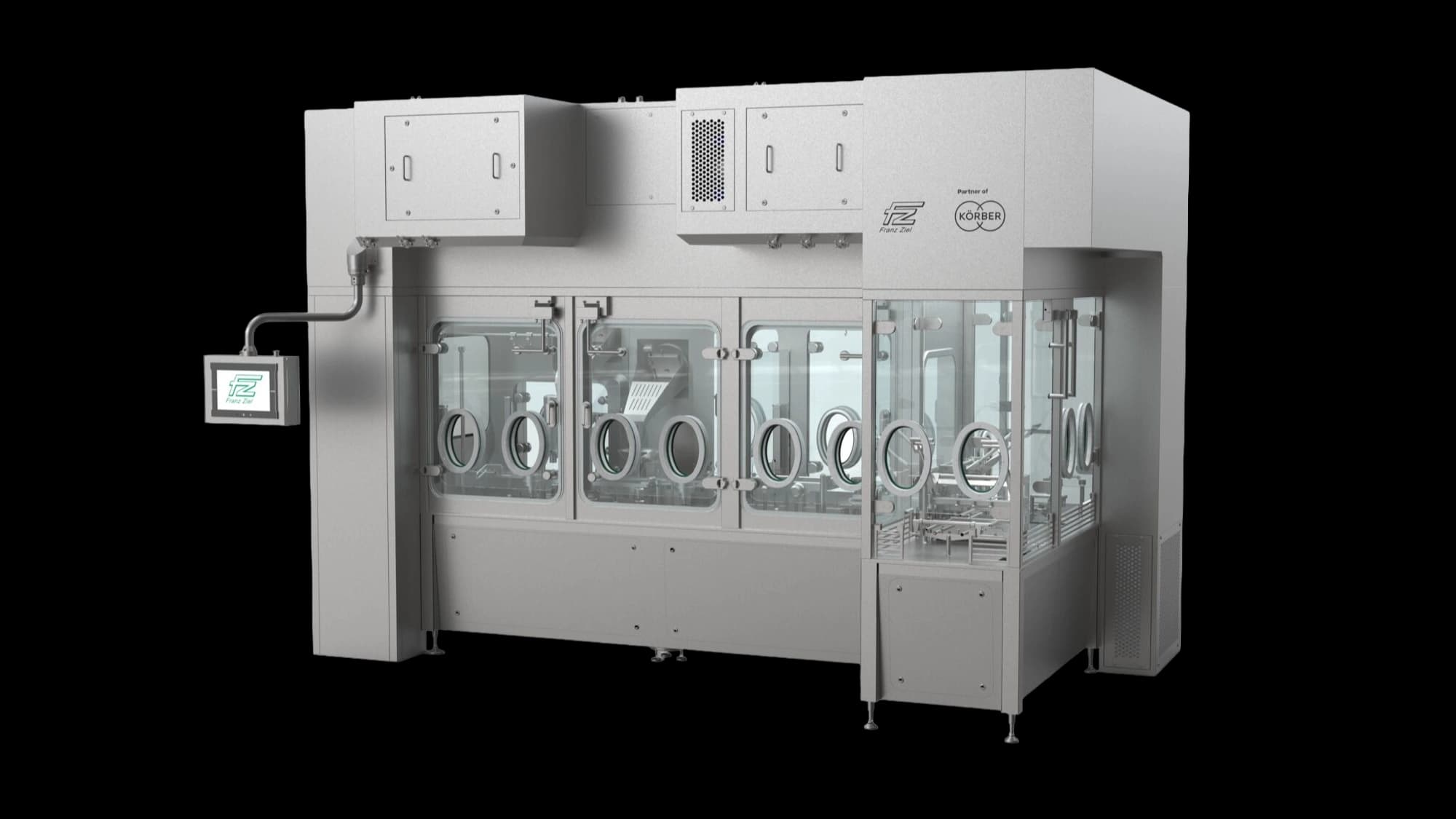
Explore the main features of the oRABS solution:
FAQ
What’s the difference between the oRABS and the cRABS?
The Restricted Access Barrier System is a setup used to protect products from contamination and operators from exposure.
There are two main types: OpenRABS (oRABS) and closedRABS (cRABS). The difference mainly comes down to how tightly the system is sealed and how air is managed.
A cRABS is a fully sealed barrier system where the critical zone is never opened during operation. The oRABS is a barrier system that separates operators from the critical zone but still allows open door intervention. If sited in a cleanroom, it can level up 1 cleanroom class (from B to A, for example).
Despite having a higher cost and complexity, the closedRABS has a different approach to mitigate contamination risks and is used for different pharmaceutical products, depending on the customers’ site and needs.
On the other hand, the oRABS is easier to implement than closed systems, offers higher flexibility for interventions and maintenance and has a lower cost than the cRABS.
Related solutions
Explore other aseptic processing solutions.