The future does not happen by chance.
It happens because someone sees further ahead than others.
That is exactly how the MAX came to life.
At a time when filter cigarettes were still considered a niche,
Körber posed a question few others were asking:
What if the filter became the standard?
Not someday – but soon.
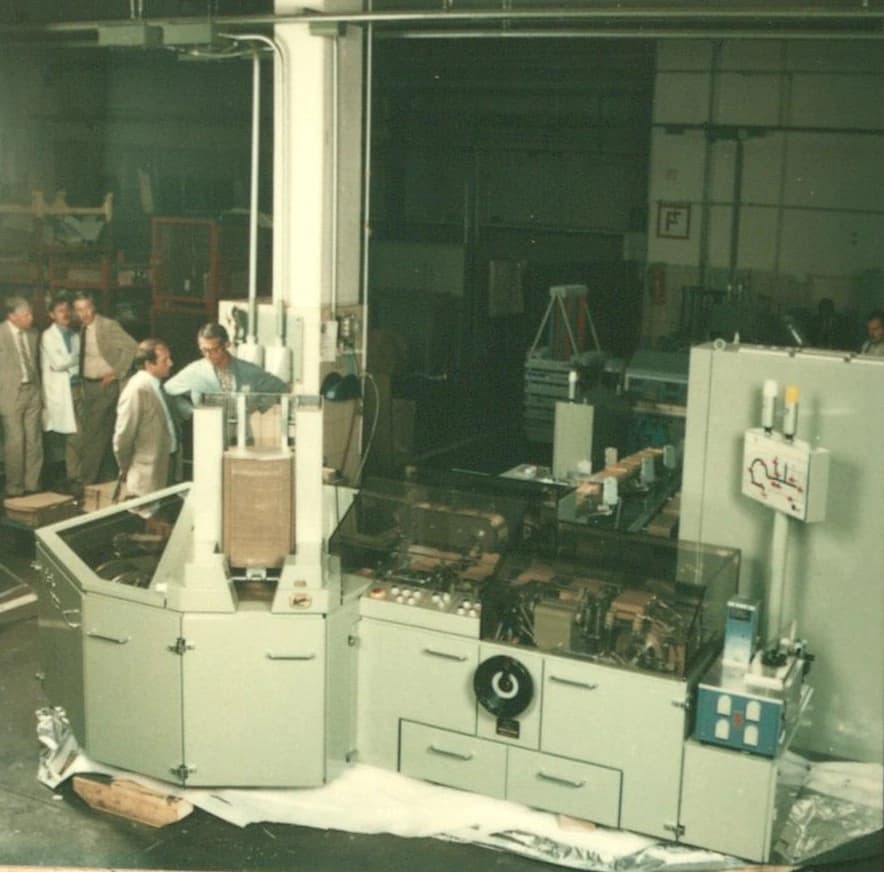
The first answer was the KFZ
– the Körber filter cigarette machine (Körber-Filterzigarettenmaschine).
It was technically outstanding. 2,500 filter cigarettes per minute.
Faster than almost any comparable machine at the time.
Customers admired it. But the market was not ready.
Körber stayed the course.
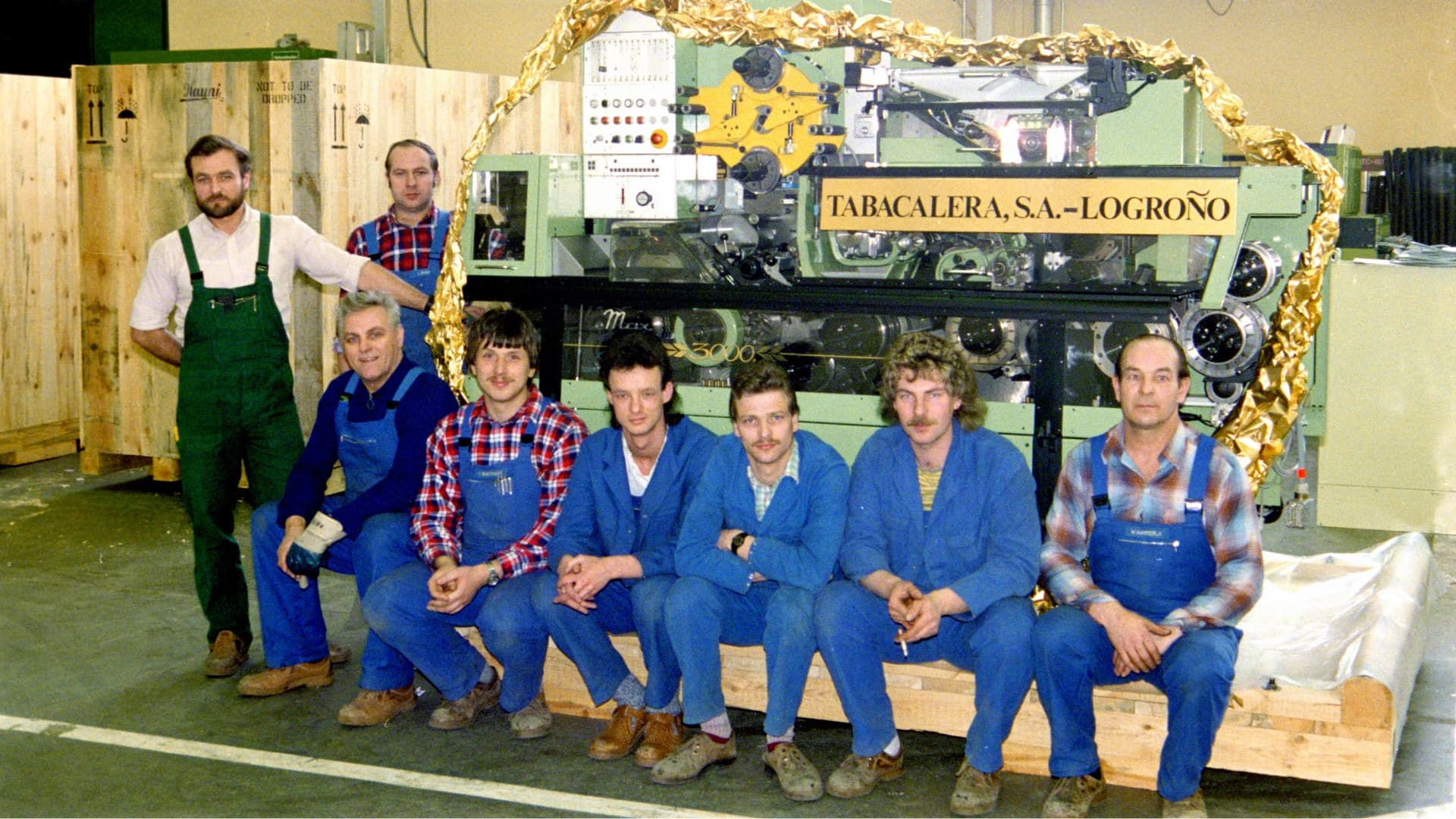
In 1956, the first series of MAX machines was launched,
named after Max Pollmann, lead engineer on the project.
The MAX was more than an evolution.
It set a new benchmark – technically, structurally, and in how production was rethought.
MAXimum efficiency. MAXimum value for our customers.
One seemingly small decision made all the difference:
The MAX operated from right to left
– designed for international production environments.