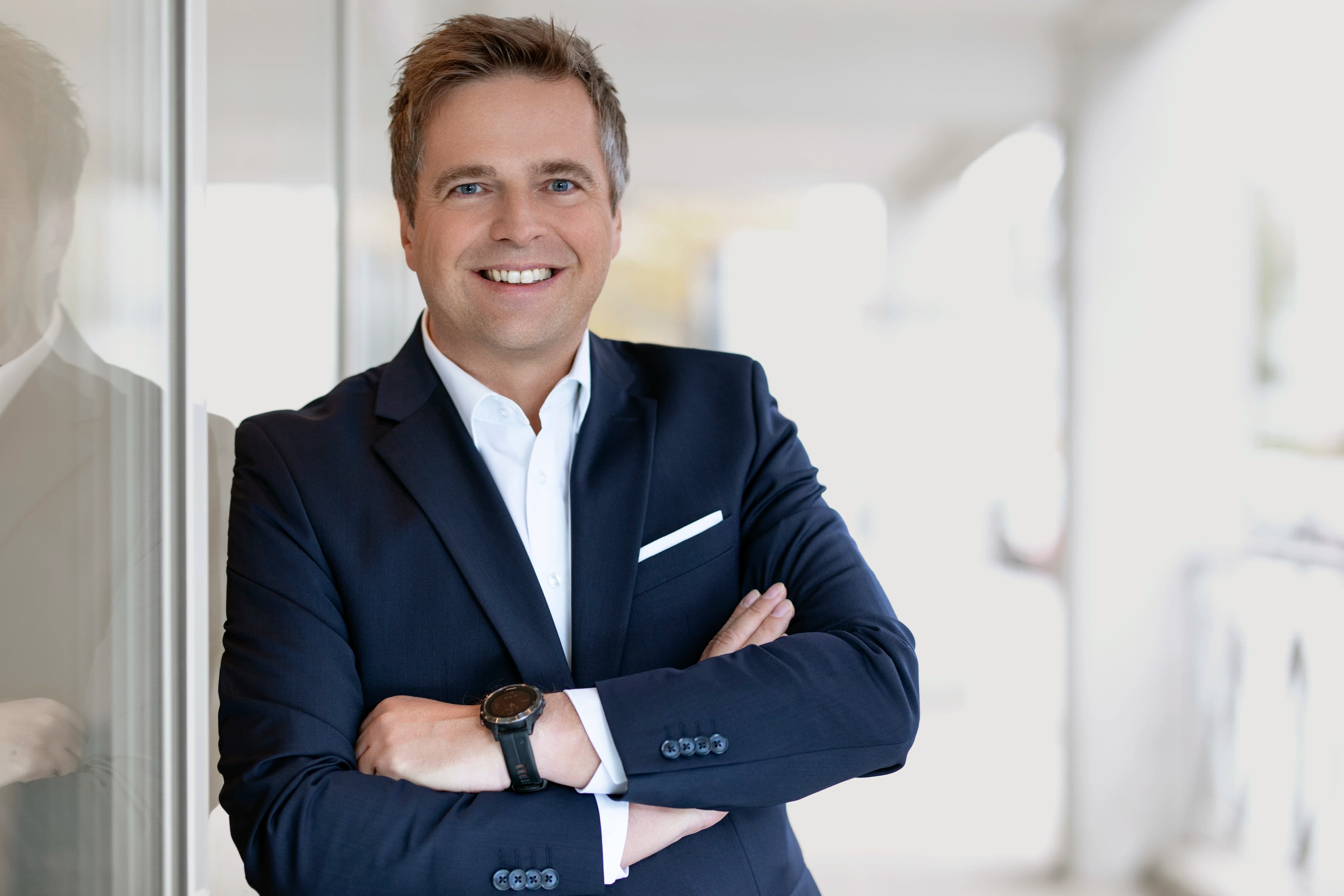
Achim Aberle, Körber site: Leingarten, Germany
Looking back today, the most important decision in our shared history with Körber wasn’t a technical one.
Not a traditionally strategic one.
And certainly not one that can be explained by numbers alone.
It was the decision to let go.
At the time, we were a family business.
A mid-sized company from southern Germany. Entrepreneurial at heart.
Clear in our values, and close to our people.
We had built something that worked.
We were successful.
So successful that it became clear:
the next stage of growth would require more than what we could achieve on our own.
And then, suddenly, Körber was at our doorstep.
A Hamburg-based company that we primarily associated with tobacco machinery.
We sat in meetings and openly asked ourselves:
What do they want from us?
We came from a different world.
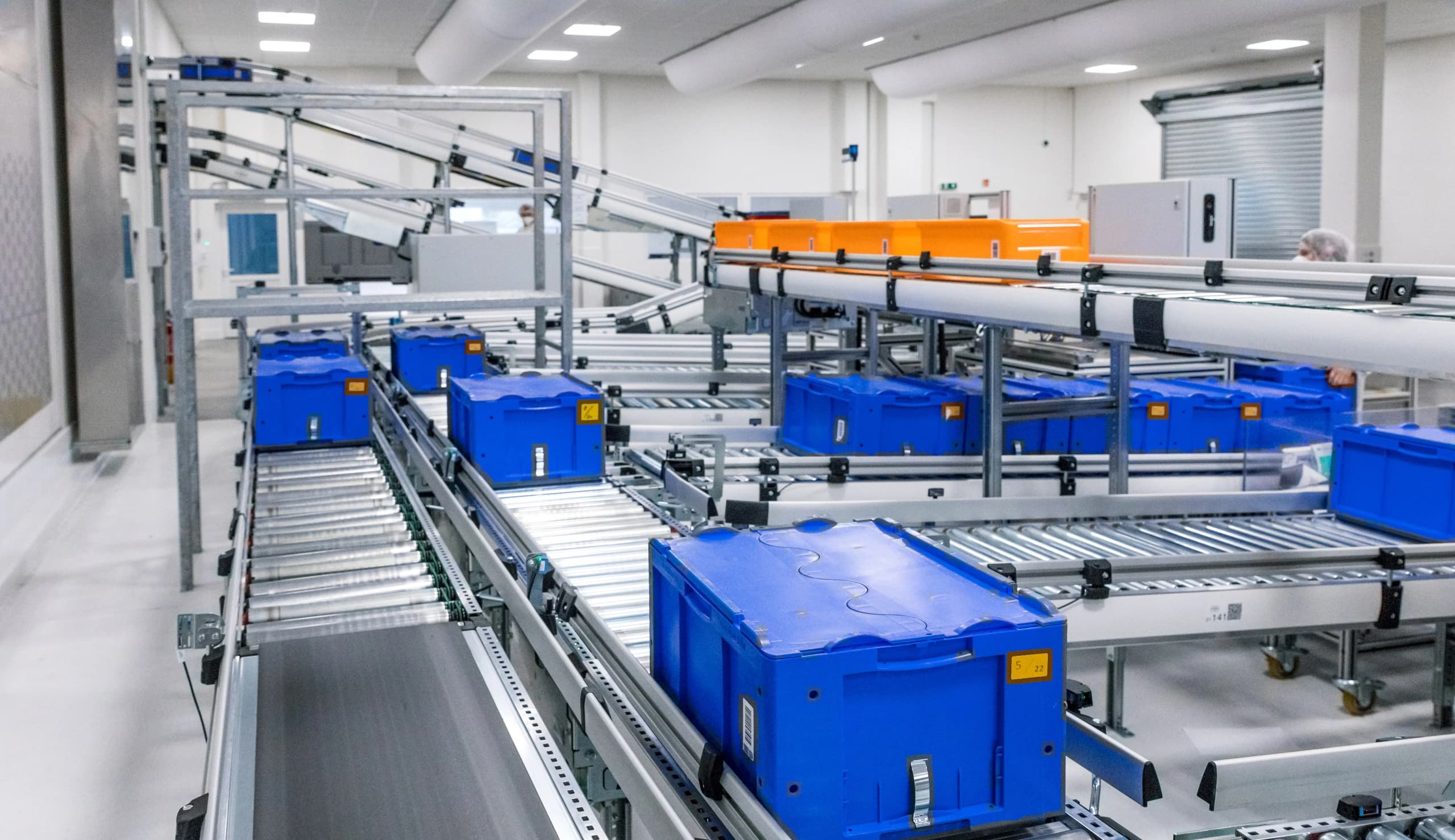
Our world was automation, software, processes, intralogistics.
We believed that it was no longer the machine alone that made the difference,
but what lay behind it: intelligence, connectivity, and integration into our customers’ processes.
For us, it was clear:
this was the future.
For many, software was still seen as a “nice-to-have.”
Not what will make the difference in the future.
We spoke with many potential partners.
There were competitors who knew us well and were interested in us.
There were investors who seemed attractive at first glance.
But with many of them, I felt that they wanted parts of us.
Not us as a whole.
Cherry-picking.
An attractive business unit here.
A promising model there.
A quick win. A clean business case.
For us, that was never enough.
Because this wasn’t just about ownership.
It wasn’t just about an exit.
It wasn’t just about the next euro.
It was about the company, the employees, the people.
About the families behind them.
And about whether what we had built would continue to exist.
That was the moment we made our decision.
Körber said:
We believe in you.
Let’s take this path together.
One hundred percent.
For us, this was no small step.
It was a deeply personal decision.
Because in that moment, you don’t just give up shares.
You give up control. Identity.
Influence. A part of your own dream.
And yet, we were certain: this was the right path.
Because Körber brought something that many promise,
but few truly demonstrate:
Trust.
Coupled with technological expertise and a forward-looking mindset.
They said: Talk to the companies that are already part of Körber and have taken a similar path. Ask questions. Challenge us.
This openness made all the difference.
Because in the end, it was never about the highest price.
It was about the best long-term future.
Our vision was clear:
We didn’t just want to support intralogistics – we wanted to take it to the next level.
We were convinced that our solutions would become the key differentiator.
That the future lies not in isolated mechanical engineering, but in the ability to intelligently connect processes as a systems integrator.
And Körber didn’t just understand that vision.
It was already part of their own transformation – from a machinery manufacturer to a technology group.
At the time, that was anything but obvious.