Vikram Shinde: How to get it right the first time? 

Article80 years of Körber

For Vikram, good work begins with clear communication, collaborative thinking, and designing processes so that things work right the first time whenever possible. Always with the goal of achieving the best possible result for the customer.

Share

Vikram Shinde

80 years of Körber

Vikram Shinde, Körber site: Arden, Denmark


In engineering, there is one question that matters more than most. 

How do we get things right the first time? 

It sounds simple. 

But when you work in automation and project execution, 
you quickly realize how ambitious that question really is.  

Because every project brings together many moving parts. 
Different teams. 
Different expectations. 
Different timelines. 

And if just one piece is unclear, the whole project can slow down. 
That’s why the real work starts long before the machine ever starts running.  

For me, the key is communication. 
Not just talking more. 
Talking clearly. 
Because many problems in projects don’t come from bad intentions. 
They come from small misunderstandings.  

A missing detail. 
An assumption that wasn’t shared. 
A requirement that wasn’t fully understood.  

Sometimes those small gaps create the biggest problems later. 

“Sometimes the right question is already half the solution.” 

Vikram Shinde

That’s why communication inside the team – 
and with our internal and external customers – 
is so important. 

When everyone understands the goal, the path becomes much easier.  

Another important lesson is consistency. 

If every team follows a different way of working, the result will always be different. 
But if everyone follows the same process, the outcome becomes predictable. 
And predictability means quality.  

It saves time. 
It reduces mistakes. 
And it helps us deliver the same high standard every time.  

Processes might take time to build. 
But once they’re there, they make collaboration easier for everyone.  

Even though decisions are part of daily work, they are rarely made by one person. 
In our team, we discuss things first.  

We involve colleagues from different departments. 
We talk to project managers. 
We look at the expectations from internal and external customers.  

Only then do we move forward. 
Because good decisions don’t come from one perspective. 
They come from shared understanding.  

At the end of the day, every project has one goal: 
to deliver the best possible solution for the customer.  

That means understanding their expectations. 
Listening carefully. 
And sometimes adjusting the solution along the way. 

When we do that well, everyone wins. 

The team. 
The company. 
And most importantly, the customer. 
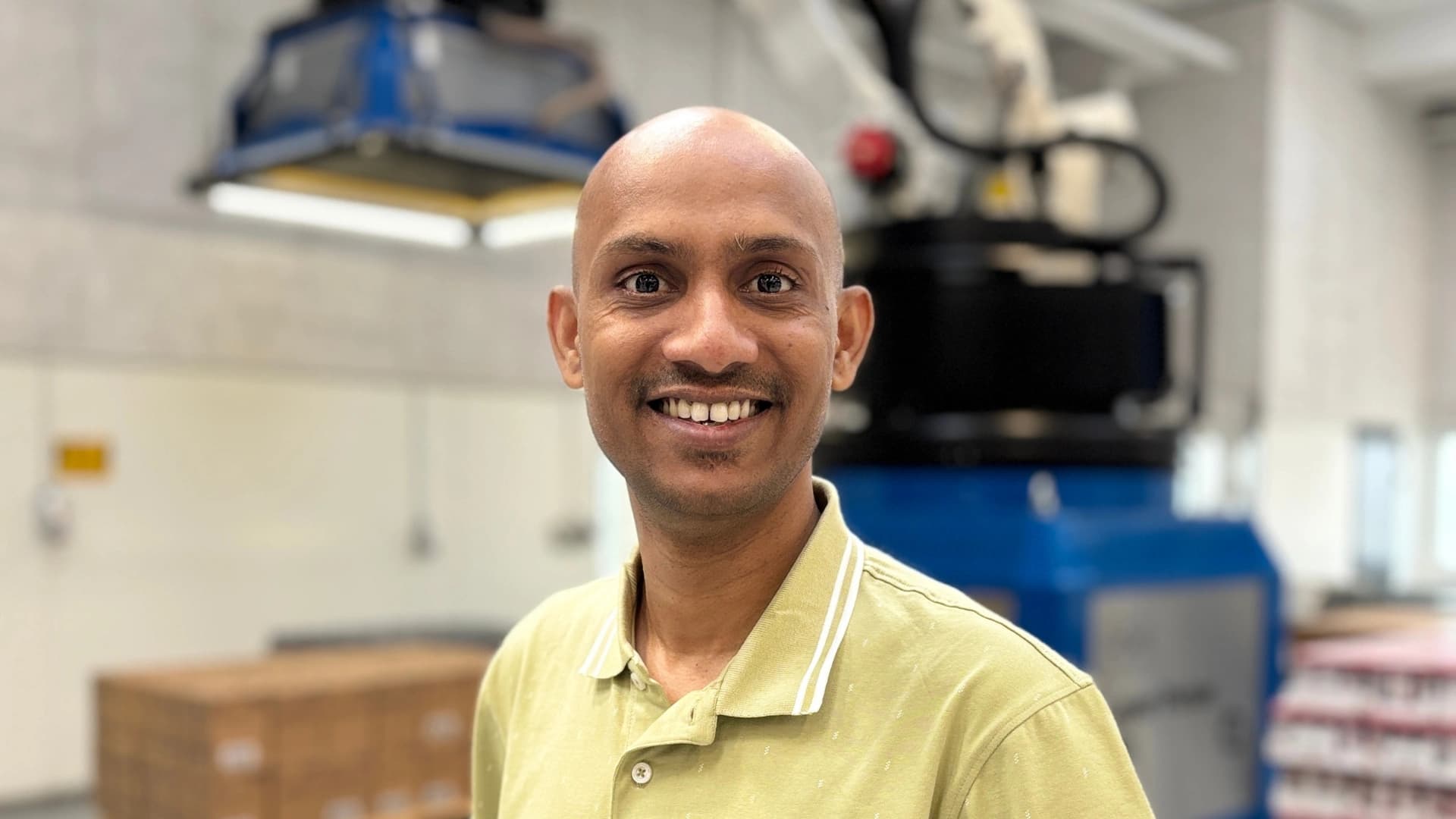
 

Körber employees smiling

Shape the future with us

Discover global career opportunities and help build what’s next at Körber.

Explore open positions