- Insights, stories & events
- Environment
Körber is driving climate protection and the circular economy
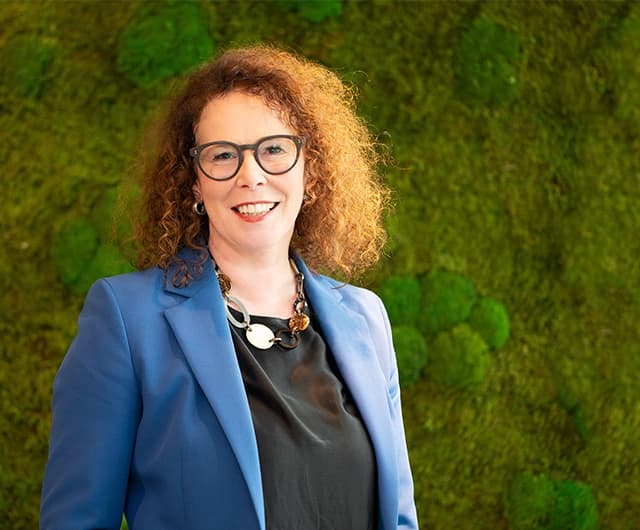
"We combine ambitious emissions reduction targets with additional responsibility—and in doing so, we consciously look beyond our own value chain."
Michaela Thiel
HEAD OF SUSTAINABILITY, KöRBER AG
CO₂e neutrality achieved—and a clear plan for the next stage
With a neutral balance in Scope 1 and 2, Körber has reached a key milestone. As part of its ‘Beyond Value Chain Mitigation’ (BVCM) strategy, the Group is investing in high-quality emission credits and focusing on climate-effective projects that meet strict international standards. 14,459 t CO2e have already been offset to neutralize the emissions for the year 2025.
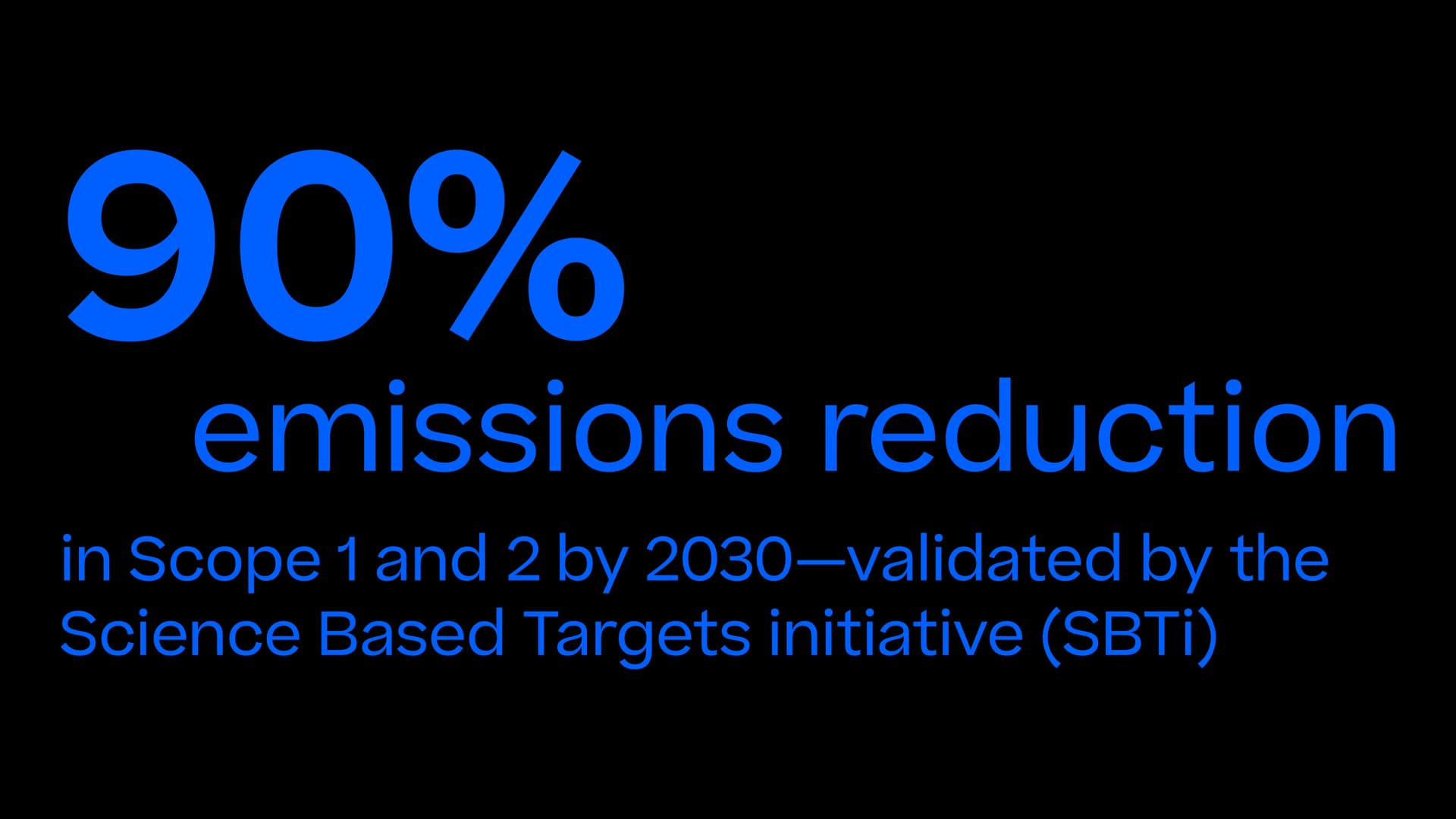
At the same time, the decarbonization of its own sites, energy supply, and mobility is progressing, with the goal of operating entirely without offsetting measures in Scope 1 and 2 by 2030.
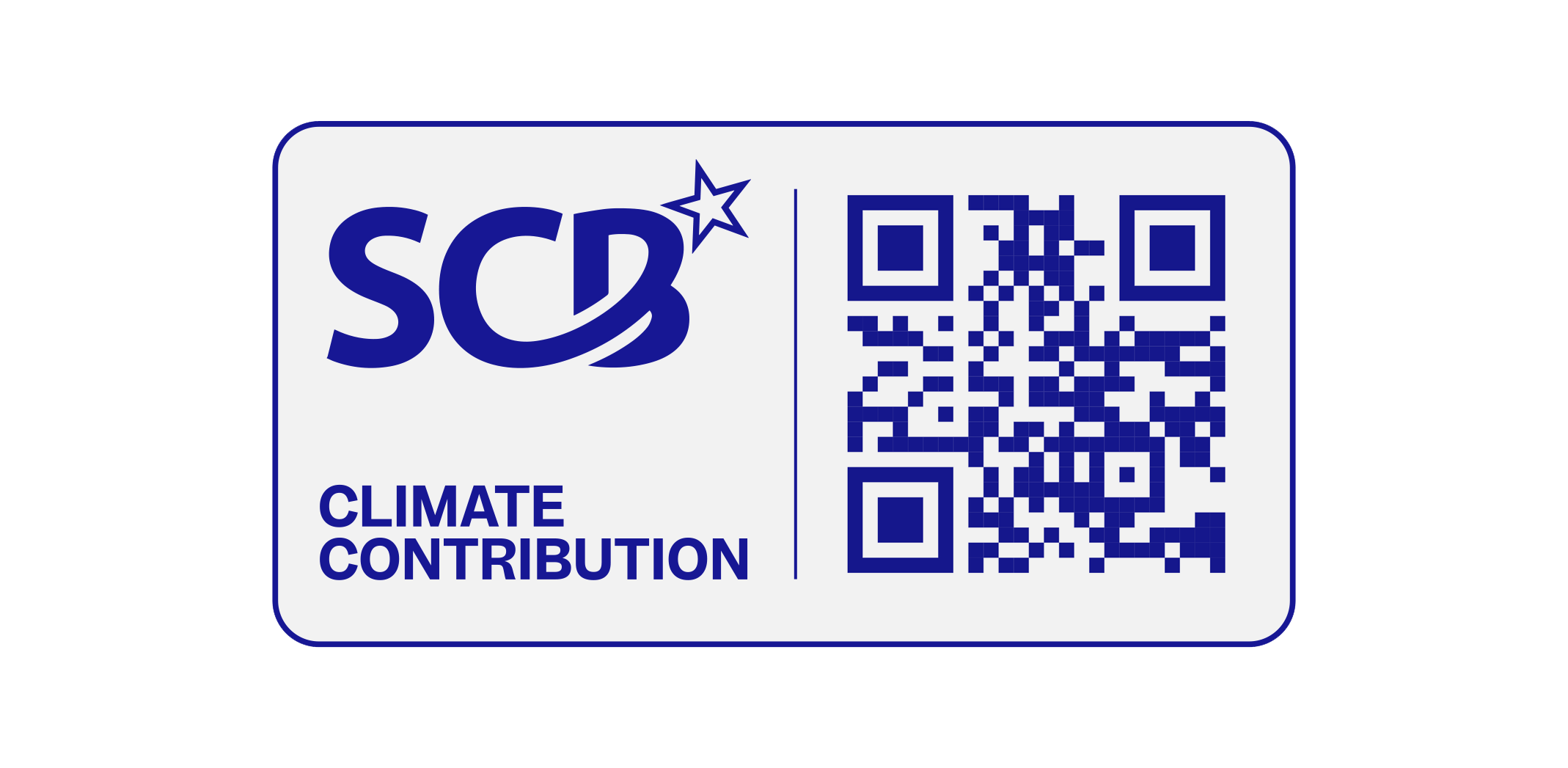
The QR code on the label on the right leads directly to Körber's Climate Contribution Report. SCB is a global provider of CO2e accounting and emission certificates.
Discover more
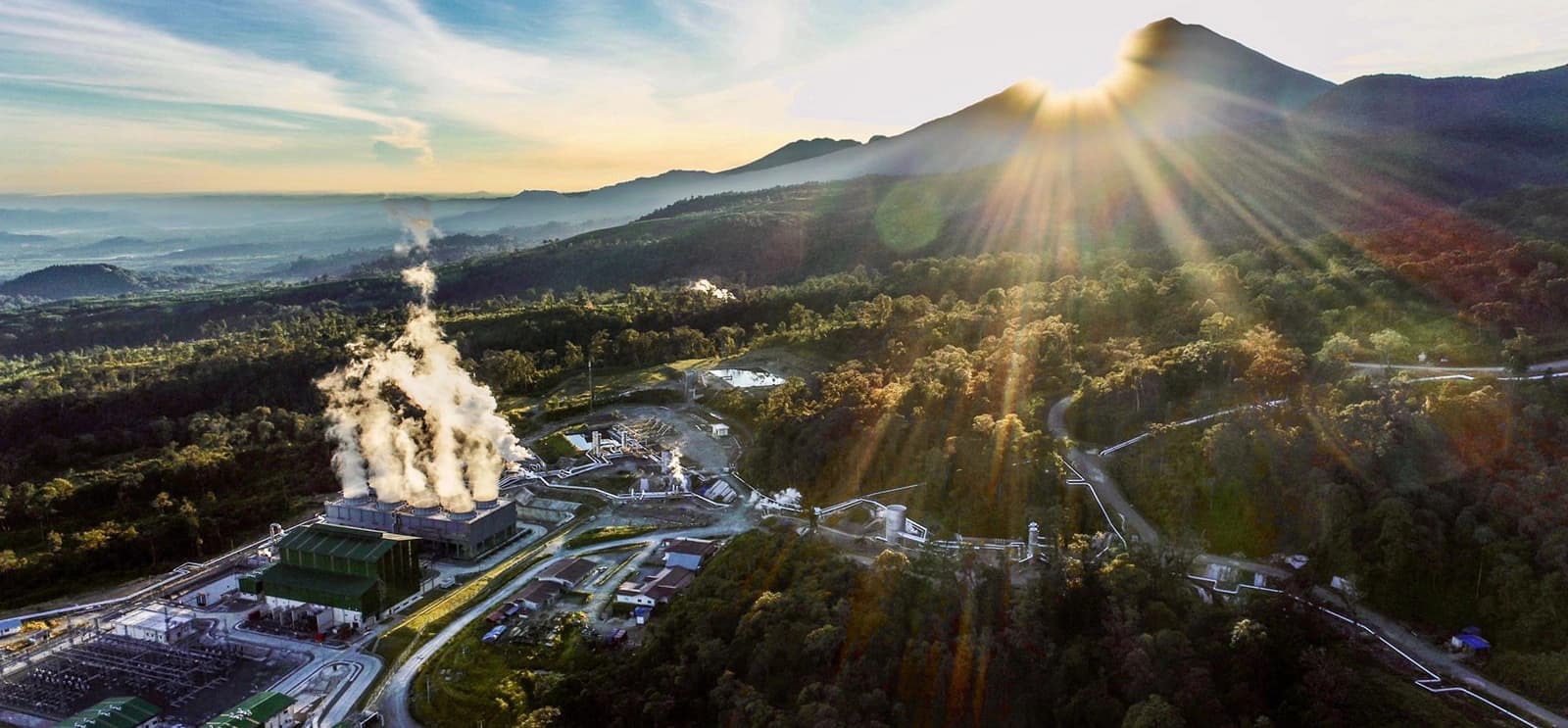
The Liki Pinagawan Muaralaboh geothermal power plant in Indonesia—a project in which Körber is investing to promote clean energy and nature conservation.
The transition plan: a roadmap for ambition—and implementation
Körber's transition plan forms the core of the company's climate strategy. It outlines key measures, investments, and responsibilities across all Business Areas and supports the systematic integration of climate-related aspects into daily operations.
The transition plan was developed in close consultation with the Executive Board and is embedded in corporate planning, ensuring that climate issues can be incorporated into strategic and operational decisions at an early stage.
Discover more
Resource use & circular economy: the second pillar of our environmental strategy
"Climate protection will fall short unless we rethink our product, solution, and service offerings. Ecodesign, lifecycle assessments, and circular business models lay the groundwork for sustainably reducing emissions and using resources responsibly."
Bernhard Gerl
HEAD OF ECODESIGN, KöRBER AG
Brief overview: Circular economy at Körber
What's it all about?
We want to develop products that last longer, consume fewer emissions and raw materials, and ultimately remain in the cycle in a meaningful way.
How do we implement this?
Three building blocks work together:
First, we equip our development teams for circular design-from repairable construction methods and modular upgrades to business models like "use instead of buy" (e.g., full-service models).
Second, we create transparency: Using life cycle assessments (LCA), we measure environmental impacts across the entire product lifecycle and prepare the data so that it supports reporting, regulatory requirements (e.g., Digital Product Passport), and day-to-day business decisions.
Third, clear guidelines and responsibilities ensure that these principles are not optional but standard-from material procurement to service delivery.
What specifically is changing about the product?
We prioritize durable, repairable designs and materials that can be reused or recycled into high-quality products. Where appropriate, we replace virgin materials with alternatives that have a lower CO₂e footprint—such as recycled materials or wood-based composites—and measure the impact in the LCA. This way, climate protection becomes a design decision.
Energy transformation: from green power to electrification
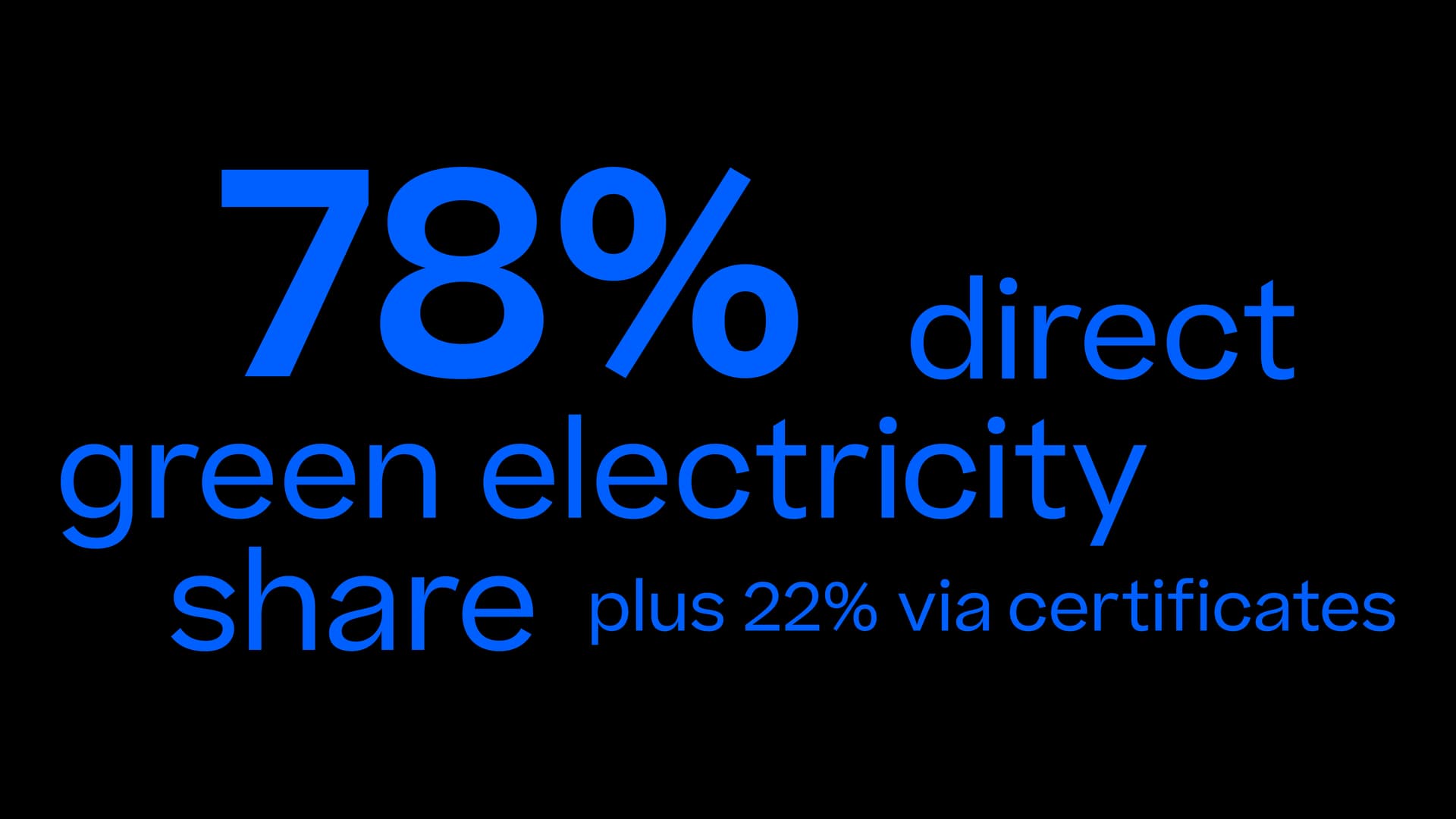
In 2025, Körber covered its entire electricity consumption with renewable energy—through direct procurement and energy attribute certificates. At the same time, the Group is expanding its own generation capacity: from new photovoltaic systems in Germany and Italy to the planned 4-MWp system in the new building at the Hamburg-Bergedorf site.
Discover more
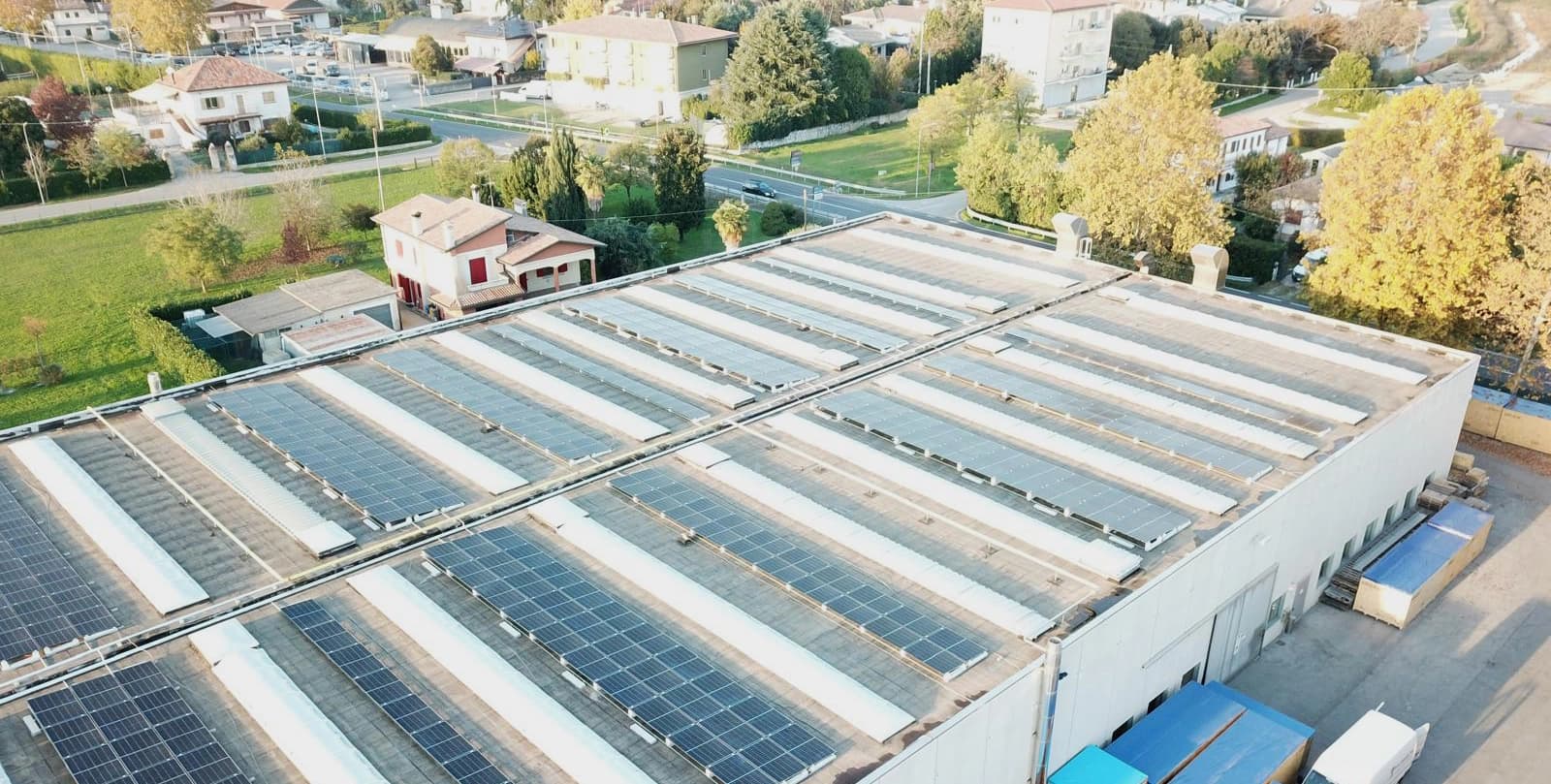
PV system in Treviso (Italy) with 415 kWp, in operation since 2025.
Focus on Scope 3: transformation along the value chain
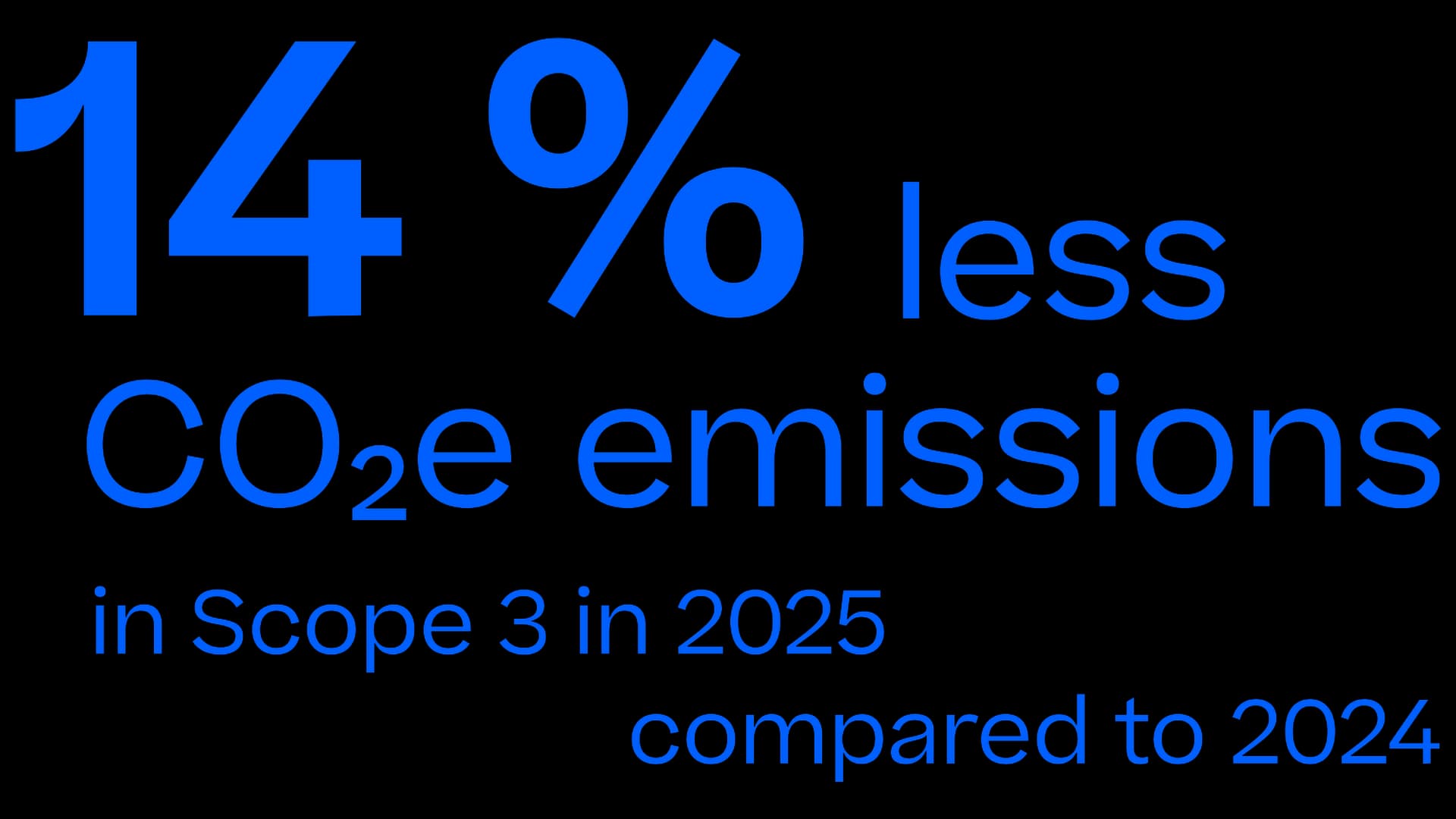
More than 90 percent of Körber's total emissions fall under Scope 3 (indirect emissions along the upstream and downstream value chain)—primarily in procurement and the use phase of sold products. Accordingly, the Group strategically focuses its reduction levers on these areas. A key focus is to systematically deepen supply chain data quality and integrate more primary data from suppliers to improve the accuracy of Scope 3.1 emissions calculations. By 2030, 50 percent of suppliers are expected to provide primary data, increasing to 90 percent by 2040.
Discover more
Sites of the future: efficiency, modernization, and sustainability standards
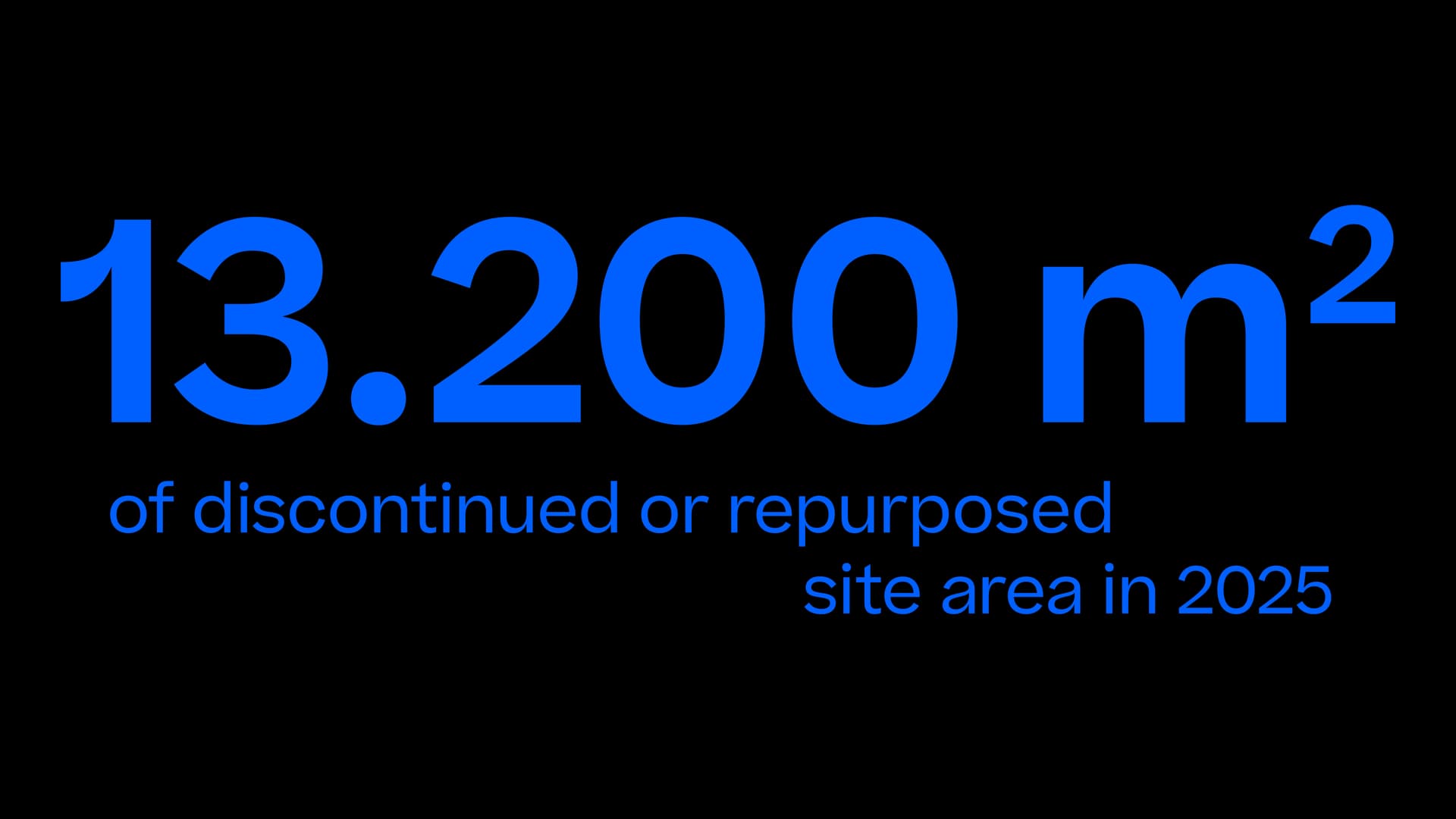
Körber is modernizing its production and office sites worldwide, investing in energy-efficient technologies, and applying recognized sustainability standards such as LEED or DGNB. Space optimization and a consistent strategy for environmentally friendly leasing models reduce energy consumption in the long term.