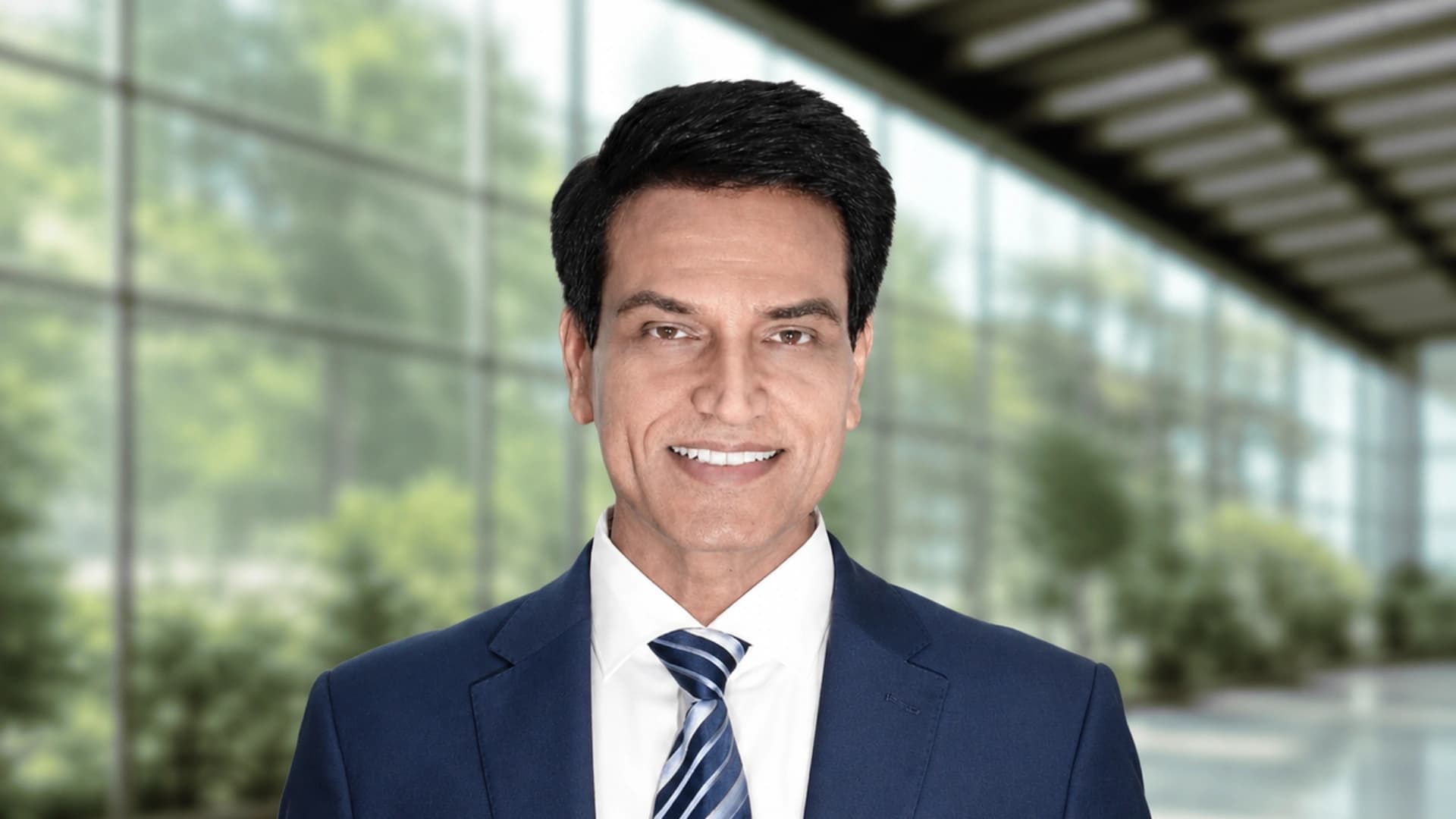
We spoke with Helena Garriga, Körber Executive Board Member and President Business Area Supply Chain and Suunil Dabral, Senior Vice President and Regional Head of Asia-Pacific Region, Körber Business Area Supply Chain, about how this organizational evolution shapes Körber’s approach to solving real-world industry challenges.
What does the full acquisition of Godrej Körber mean for Körber and its position in global supply chains?
Helena Garriga: This is about strategic autonomy. With full ownership, we have a leaner organization that allows us to gain speed and move toward total operational alignment. India is now a fully integrated hub in our global network, rather than just a regional market. This strategic autonomy also allows us to bring innovation from other parts of the world to India and ensures we can fully serve our customers locally.
With this step, we reinforce our long-term commitment to one of the world’s fastest-growing regions and enhance our ability to serve customers with greater proximity and speed. It also aligns with our broader ambition to strengthen our leadership position in our industries through both organic growth and acquisitions.
Suunil Dabral: What excites me most is the empowerment of our people. Our teams in India now sit at the intersection of global innovation and one of the most dynamic supply chain markets in the world. That's an extraordinary place to be. We're not a satellite office executing a playbook written elsewhere, we're active contributors to how Körber solves problems globally. And for our customers, that energy translates directly: sharper thinking, faster response, and solutions built with genuine local intelligence.
How does fully integrating the joint venture into Körber’s operations strengthen your teams, partners, and ability to deliver value for customers?
Helena Garriga: We will be implementing standardized technology stacks across all regions. For the customer, this means that a software update or a robotics breakthrough developed in Europe can be simultaneously available and compatible in India. It guarantees lifecycle support and consistency that a joint venture simply couldn't match at this scale. We will also see native Indian technologies being fully developed locally and potentially exported to other markets.
Suunil Dabral Integration means our teams are no longer working alongside Körber's global capability. They are part of it. We now draw on the full technology stack — hardware and software— to architect solutions that are more cohesive, more capable, and more responsive to what customers actually need. Combining that global platform with deep local expertise creates a delivery model that is agile by design and scalable by intent. For our customers in India and across APAC, that is a meaningful and lasting difference.