The need to digitize manufacturing industries stems from the growing push for interconnectivity between different devices within an existing internet infrastructure. The Industrial Internet of Things (IIoT) or digitization trend can be subdivided into various trends such as sensorization, predictive analytics, artificial intelligence (AI), and cloud computing.
These trends offer many advantages, including the automatic detection of issues led by auto triggers in case of any abnormality in the manufacturing facility. They also help transform manufacturing tasks like the visual inspection of equipment in a plant, including quality checks to meet regulatory guidelines. Secure data storage, aided by cloud-based servers, can manage a variety of operations, ranging from enterprise resource planning (ERP) and financial management to data analytics and workforce training. Finally, IIoT ensures proper integration of supply chains, which is one of the major requirements of the manufacturing industry.
The goal of these technologies is to help industrial manufacturers manage their businesses with better intelligence and to make the manufacturing units more productive, cost- and energy-efficient, safe and, most importantly, streamlined.
Digitization in pharma & biotech
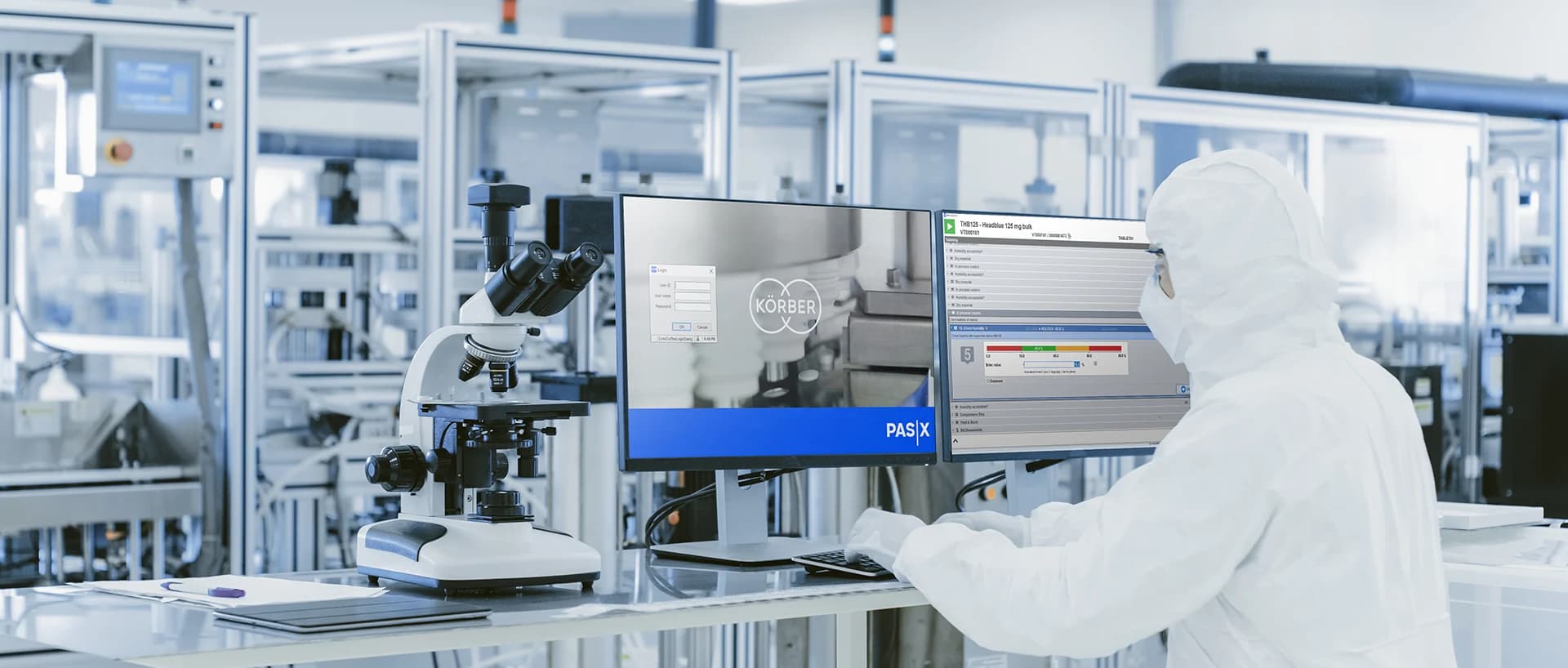
In the pharma & biotech industry, digitization helps optimize maintenance operations, increase process stability, accelerate process development, improve process performance,capture data and trigger alerts, monitor the quality of the drug being manufactured, and improve the supply chain logistics of the drug delivery.
Pharma & biotech manufacturers are facing several challenges due to restraining factors like the high cost of upgrading legacy equipment, shortage of adequately skilled work force, and security risks posed by the connected networks. Advantages lie in ensuring enhanced product quality, improved process efficiencies, reduced cycle times, reduced scrap and rework, tracked products, adherence to regulatory guidelines and reduced downtime. With digitization, the challenges are expected to subside over the next 6 to 7 years.