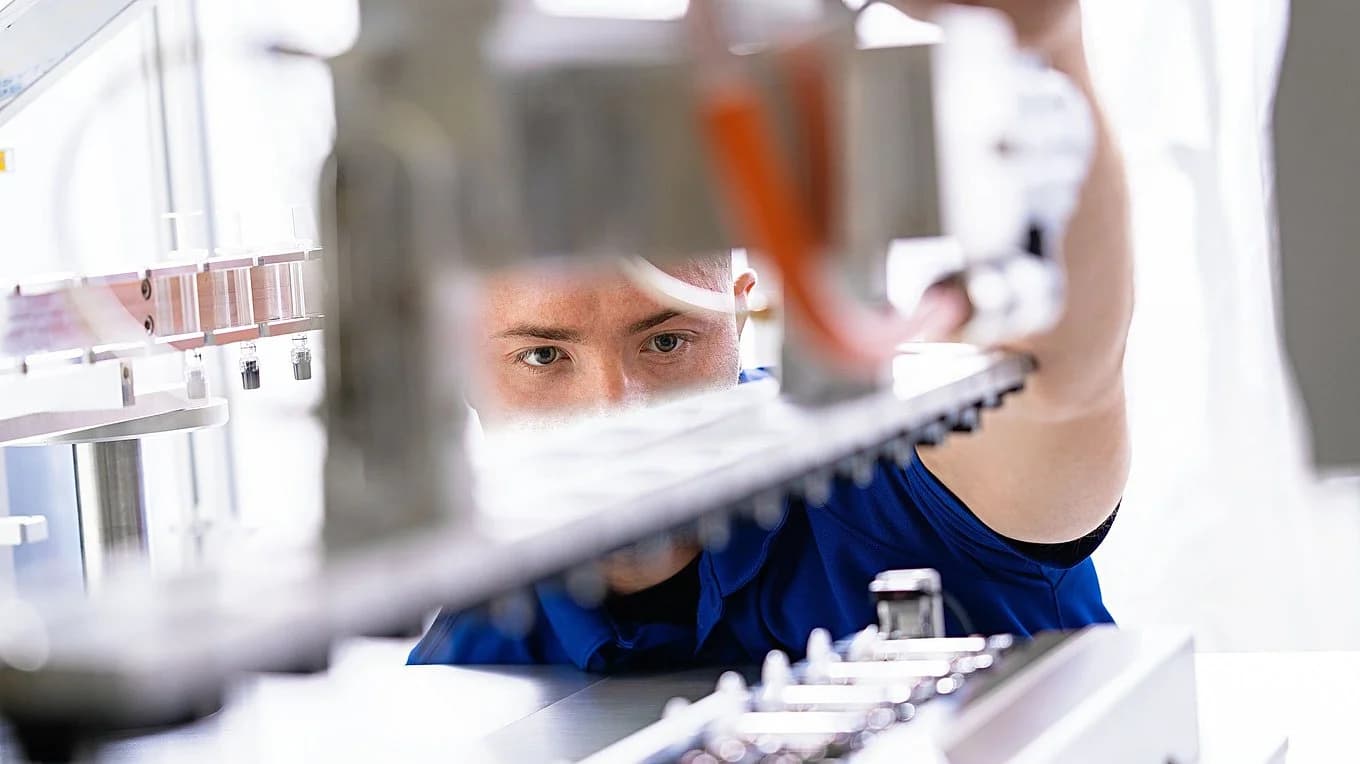
Handling systems are silent enablers that determine whether your line performs as an integrated ecosystem or operates as disconnected islands. As industry moves toward increasingly automated, interconnected production environments, handling is emerging as a critical—and often underestimated—pillar of operational excellence.
Why the spaces between machines matter more than ever
Modern pharma operations are becoming more complex, with rising format diversity, sensitive products, and pressure for faster time-to-market. According to Pharma industry insights, leading manufacturers are increasingly embracing ecosystem thinking—connecting machines, software, and processes to simplify complexity and enhance efficiency.
However, even the most advanced machines cannot deliver stable throughput if product flow is disrupted between process steps. Without a deliberate handling strategy, micro-stops multiply, bottlenecks emerge, and product integrity may be compromised long before reaching the final packaging or inspection stage.
Handling isn’t just transporting: it's stability, protection, and performance.
Handling as a system-level discipline
Inside many pharma facilities, handling is still considered late in the projects, sometimes after all machines have already been selected. This reactive approach introduces risks:
- Space constraints that limit optimal layout
- Generic “one‑size‑fits‑all” conveyors that don’t reflect product sensitivity
- Manual interventions that reduce consistency
- Lack of accumulation, making lines inefficient and prone to stops
This stands in contrast to Körber’s ecosystem philosophy, which emphasizes the importance of aligning equipment, software, and processes into a connected whole.
By elevating handling from a mechanical connector to a strategic system, manufacturers can better support:
- Product integrity: Sensitive items such as syringes, vials, and high‑value sterile products require gentle, controlled handling that minimizes contact and reduces reject rates.
- Line performance: Smart accumulation and buffering absorb variations in machine speeds and prevent small disruptions from cascading across the line.
- Regulatory compliance: Materials, layout, and cleanability must support pharma requirements, something far easier to achieve when handling is considered early.
- Future scalability: A modular, integrated handling strategy allows lines to adapt to new formats and higher output.
A strategic shift: handling as a competitive advantage
Across the pharmaceutical landscape, more companies are embracing automation to reduce labor dependency, improve traceability, and stabilize operations. Körber’s insights highlight how end‑to‑end integration—machines, software, and intelligent handling—helps manufacturers navigate increasing complexity with confidence.
An intelligent handling system supports:
- Consistent throughput across the entire line
- Reduced downtime and fewer micro‑stops
- Protected product quality from start to finish
- Flexible production for evolving market needs
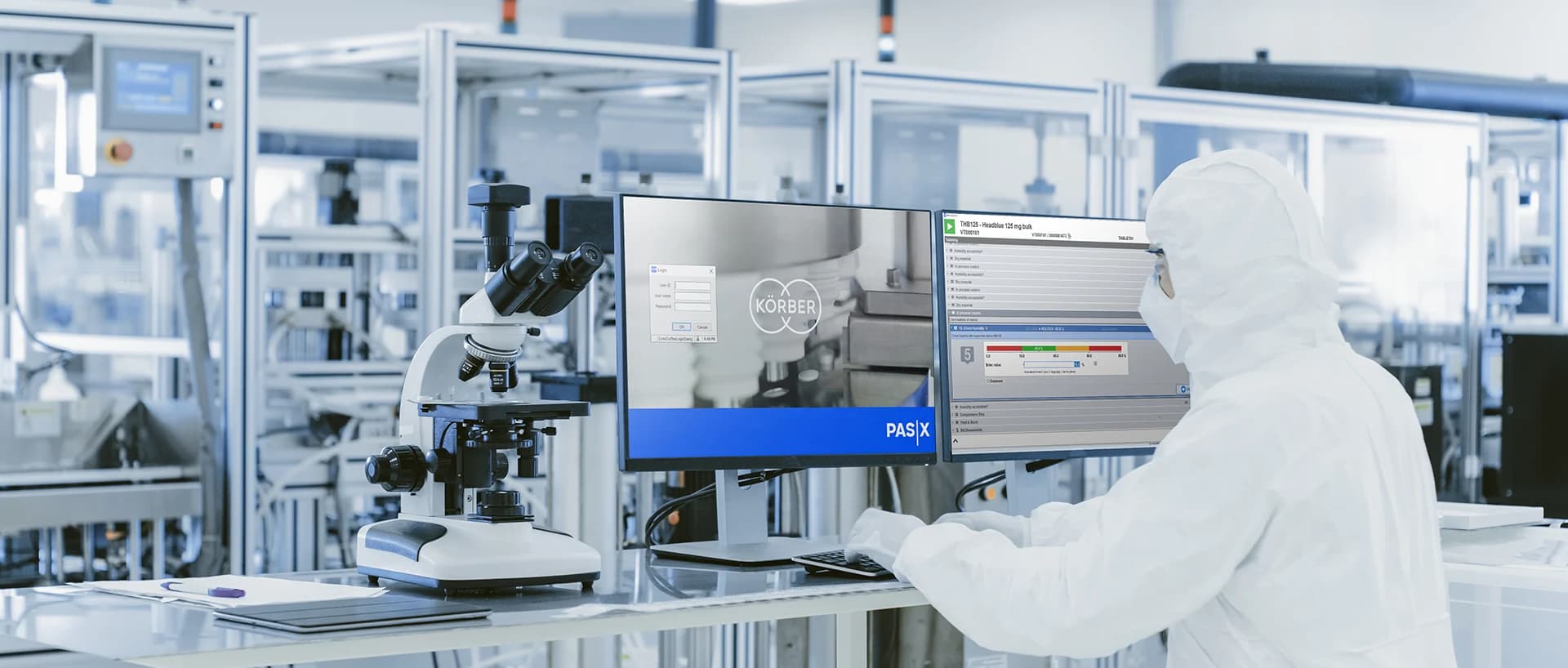
- Full ecosystem connectivity across equipment and digital layers
When designed strategically, handling shifts from an operational necessity to a true performance maker.
Körber’s approach: designing handling as an integrated ecosystem
Körber applies a “line‑first” perspective—designing handling around the performance of the complete system, not just the capabilities of individual machines. This mirrors the broader Körber Ecosystem approach, which unites machines, material, software, and services into intelligent, high‑performing production environments.
Key principles include:
- Handling defined early, not after layout constraints appear
- Format‑specific engineering for each product type
- Integration of mechanics, controls, and system logic
The result: more resilient lines, fewer bottlenecks, and up to 20% higher efficiency when handling is developed as part of a connected ecosystem.
Final thoughts: handling is the backbone of a high‑performing line
In pharmaceutical manufacturing, your line’s success depends not only on the capabilities of each machine, but on the intelligence of the system that connects them.
Handling may be the “quiet hero,” but its impact is anything but silent.
When approached strategically, it has the power to:
- Strengthen product integrity
- Stabilize throughput
- Reduce risk and downtime
- Enable flexibility for future change
- Transform your production line into a high‑performance ecosystem
Ready to turn your handling system into a performance advantage?
Explore our whitepaper, "The Quiet Hero of Your Workflow", and discover how early stage, ecosystem-driven handling design can help you stabilize throughput, reduce risk, and unlock measurable efficiency gains across your pharma line.