Across Southeast Asia, expanding manufacturing footprints across Vietnam, Malaysia, Indonesia, and Thailand are pushing warehouse operations into a complex new era. Today’s supply chains face multiple simultaneous pressures, from trade policy shifts and shipping route congestion to energy price volatility and strict regulatory requirements. Rather than simply reacting to isolated events, businesses must now design regional supply chains that remain resilient under continuous change.
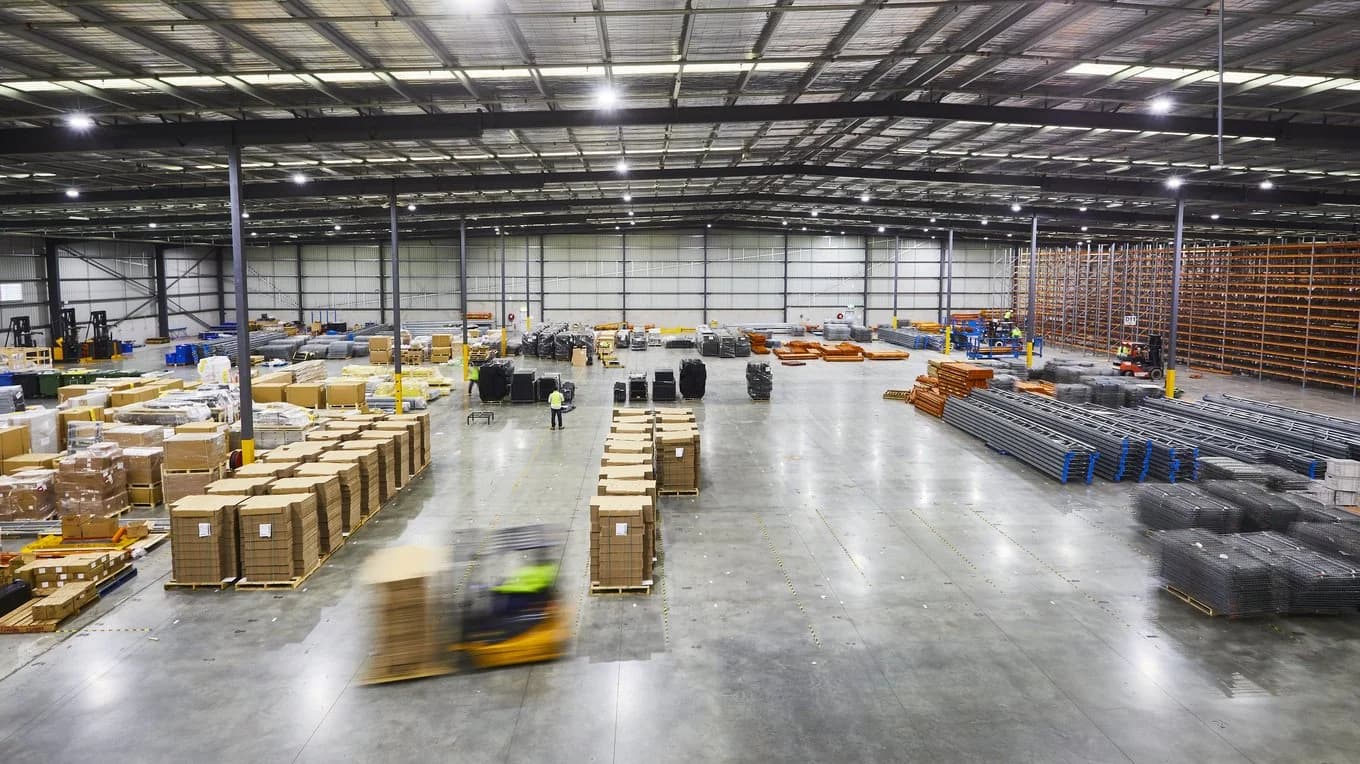
Consequently, warehouses have become far more than storage facilities, transforming into operational nerve centres determining how quickly a business can rebalance inventory and maintain service levels across regional markets. This raises an important question:
What actually makes a warehouse "smart"?
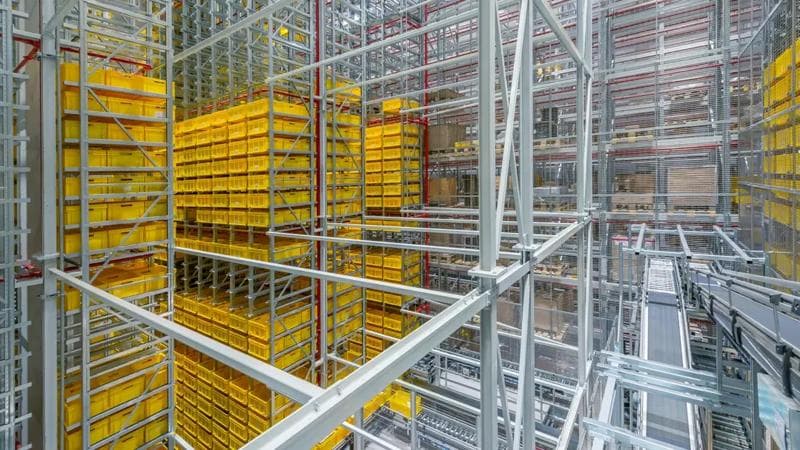
Over the past decade, warehouse automation has matured from isolated efficiency gains - like conveyors replacing manual handling and ASRS systems increasing storage density, into a connected, end-to-end ecosystem where every element works in harmony. In Southeast Asia, this evolution is driving three distinct shifts in customer priorities:
- Integration over silos: Connecting WCS, WES, and ERP platforms for real-time visibility.
- Resilience over speed: Adapting dynamically to shipping or energy disruptions without dropping service levels.
- Sustainability over short-term gains: Leveraging automation to optimize energy, reduce waste, and ensure long-term viability under strict ESG targets.
The rapid development of AI is adding another dimension to this evolution. As AI becomes more capable, warehouse systems can move beyond simply executing predefined instructions towards helping businesses predict, prioritize, and adapt to changing conditions.
Ultimately, the modern warehouse is no longer judged by how many tasks it automates, but by how seamlessly it connects people, processes, and technology.
Beyond automation
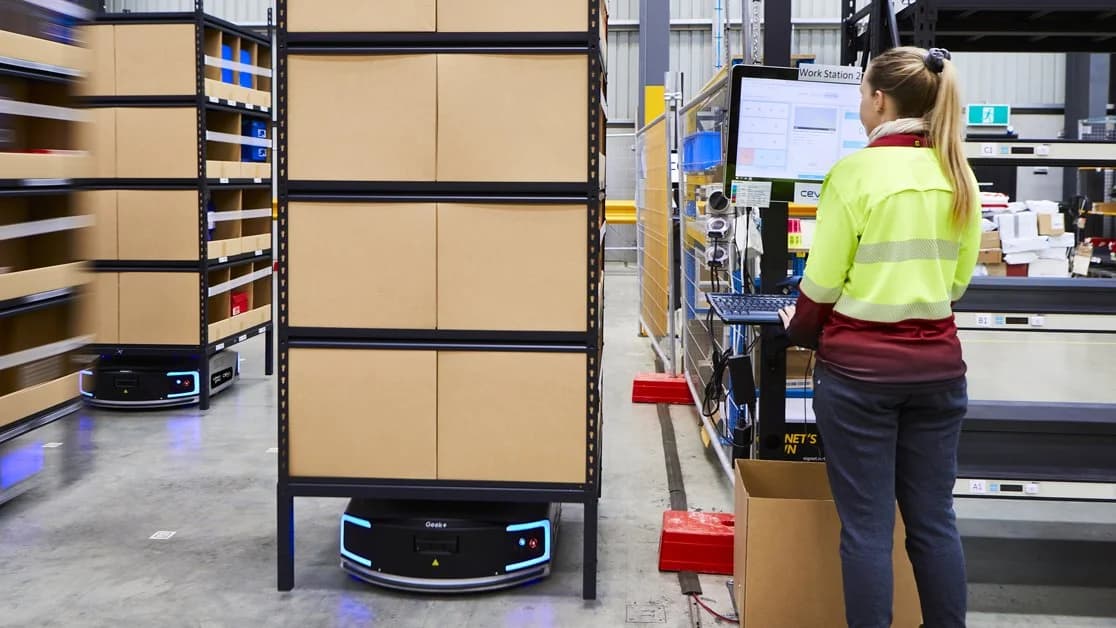
While advanced technologies like ASRS, AMRs, robotics and AI analytics are readily available, many automation projects fail to deliver real business value because the hardware is deployed in a vacuum. A faster storage system cannot compensate for poor inventory visibility, and additional robots cannot fix disconnected workflows.
Consider a consumer goods manufacturer that invested in robotic pallet handling to speed up outbound operations. While physical throughput improved, severe bottlenecks persisted because their WMS inventory data was not synchronized with real‑time equipment status. Orders were delayed, and the robots frequently stood idle waiting for instructions.
The turning point came when they integrated their WMS with a Warehouse Execution System (WES) to orchestrate material flows across the entire fleet. Suddenly, inventory visibility, task allocation, and equipment routing worked in sync. Robots received dynamic instructions, replenishments triggered automatically, and managers gained live performance dashboards. The result was a dramatic improvement in order accuracy and a sharp reduction in operating costs. Adding AI-driven decision support can take this further by identifying patterns, anticipating bottlenecks, and helping teams adjust workflows as conditions change.
This shows that technology creates local efficiency, but connected and intelligent operations create actual business value.
A Southeast Asia reality
Consider the current reality of a manufacturer executing a "China+1" strategy, producing components in Vietnam, storing buffer inventory in Malaysia, and fulfilling time-sensitive customer orders across Singapore, Indonesia, and Thailand.
This regionalized network model promises resilience, but it also exposes businesses to compounding regional friction. Unlike Europe or the US, where trucking across borders is seamless, SEA logistics must deal with maritime fragmentation. An unexpected regulatory shift in cross-border e-commerce taxes, sudden typhoons, or severe maritime congestion at key Southeast Asian ports doesn't just stall a single shipment, it threatens to paralyze the entire multi-country network.
When a major port gets blocked, businesses must act fast. In just a few hours, they need to redirect inventory on the move, change stock priorities at different warehouses, shift worker schedules, and redo last-mile delivery plans. These high-stakes, real-time decisions cannot rely on disconnected, legacy systems or manual coordination.
The organizations responding fastest are those moving away from rigid, traditional automation. Instead, they are prioritizing flexible, software-driven logistics, modular robotics, and connected operations. When software, automation, and human workforce share real-time visibility, the entire supply chain can work together to fix problems instantly.
From technology projects to business strategy
Every warehouse is a network of interconnected activities. From receiving and storage through replenishment, picking, packing, and shipping, every decision influences the next. Equally important is the flow of information, customer orders, inventory, equipment availability, labour, and operational priorities. When information slows, operations follow.
This is why warehouse modernization is no longer an engineering initiative alone. It has become a strategic business decision that influences customer service, resilience, daily efficiency, and future growth.
Designing warehouses for an uncertain world
As supply chains become increasingly regional and dynamic, warehouse leaders need to ask different questions.
Instead of asking "What technology should we buy?", they should ask:
- Will this strengthen the entire operation?
- Will it integrate with our existing systems?
- Will it improve visibility and decision-making?
- Will it help us adapt as our business evolves?
These are business questions that determine long-term competitiveness.
Looking ahead
Over the next five to ten years, market leaders in Southeast Asia will not be defined by the scale of their automation investments, but by their ability to connect, adapt, and evolve. These leaders will stay ahead of the curve through three core capabilities:
- Connected Ecosystems: Integrating ERP, WMS, WES, and WCS into a single operational fabric for total end-to-end orchestration.
- Adaptive intelligence: Using AI and real-time data to anticipate changes, support decisions, and continuously optimize operations.
- Strategic Value: Shifting focus from mere hardware speed to long-term business resilience and sustainability.
The warehouse of the future will not simply execute a predefined process faster. It will increasingly sense what is happening, help teams understand what is changing, and adapt how the operation responds.
At Körber, we believe warehouse transformation starts by looking at your complete operation, not just individual technologies. By connecting smart software with advanced automation and local operational expertise, we help businesses build warehouses that are highly efficient today and ready for whatever tomorrow brings.
Is your warehouse ready for what comes next?
Start by looking beyond the next technology investment and asking how your entire operation can work better together.
Get in touch with us to explore how Körber can help you build a more connected, adaptable warehouse operation.