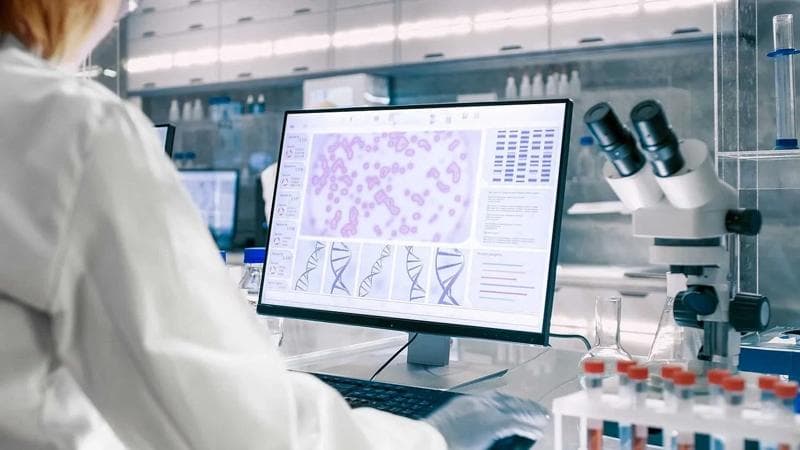
Personalized medicine is fast becoming a reality for many conditions. Historically, patients with the same disease were treated with generic medicines which commonly treated some, had minimal effect on few and potentially adverse effects on others. Based on our improved understanding of genetics, the immune system and stem cells, new personalized Cell & Gene therapy treatments are being manufactured for individual patients such as CAR-T cell therapy.
Bioengineered T cells
T cells give our immune system the capacity to protect against the vast array of bacteria, viruses and fungi that we encounter. As the role of T cells in controlling cancer was recognized, therapeutic exploitation has begun. These therapies initiate a bioengineered immune system attack on a patient’s cancer cells using modified versions of the patient’s own cells.
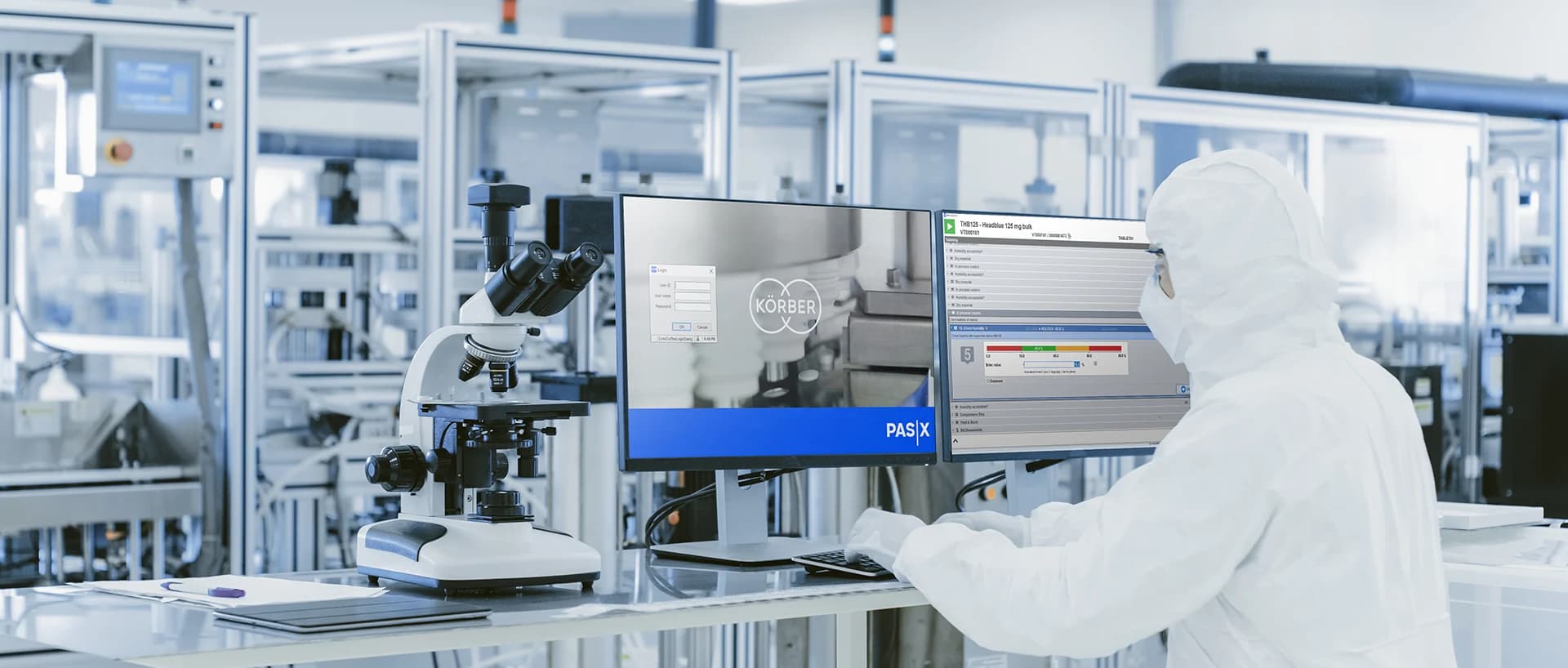
But how do you manufacture such a therapy? To deliver Cell & Gene therapy treatments at scale bio-pharmaceutical companies are moving away from complex paper-based documentation, integrating many different electronic systems, and automating previously manual verification processes between collection, logistics, manufacturing and treatment centers. Manufacturing Execution Systems (MES) play a key role in managing these processes.
Managing complex ‘needle to needle’ processes
If a sample is out of specification, there may not be opportunity to manufacture another. Therefore, it is extremely important to meet time constraints and to achieve right first-time, every time, for every patient. Ensuring the right patient gets the right treatment includes tracking and ensuring chain of identity (COI) for each patient throughout the ‘needle to needle’ process. Similarly tracking chain of custody (COC) ensures chronological documentation that records the sequence of custody, control, transfer and analysis – not just in manufacturing but throughout the logistics and treatment processes.
To manage COI and COC, MES systems use material tracking technology and also make sure that patient kits and lot genealogy are tracked and fully traceable. MES enables manufacturing automation which reduces the amount of manual processing steps per batch and leads to faster review times.