- Insights, stories & events
- Guide to warehouse automation
5-Step guide to warehouse automation: Streamline your operations today
3 min read
In the dynamic world of supply chains, warehouse automation is the compass that guides businesses to operational excellence. Stepping into 2024, the convergence of robotics, IoT, and advanced data analytics is transforming the warehouse industry. Implementing automation isn’t just about integrating new technologies; it is about redefining strategies to meet future requirements.
How can you implement automation in your warehouse in 5 steps
Implementing warehouse automation requires several steps to ensure a successful transition.
Let’s break it down:
1. Establishment of an Implementation Committee: Create a committee with members who understand your current warehouse performance, your capabilities and challenges. Their expertise will guide the automation process.
2. Gathering important information: Collect data on your existing operations, inventory levels, and business plans. This information will inform your automation process.
3. Manage your storage: Review your current inventory management practices. Identify areas where automation can improve efficiency, accuracy, and visibility.
4. Implement a Warehouse Management System (WMS): A robust WMS is needed to enable automation. It simplifies tasks, manages inventory, and improves efficiency.
5. Determine what type of warehouse automation you want: Investigate automation technologies, and chose the ones the fit your needs.
Some examples of automation technologies:
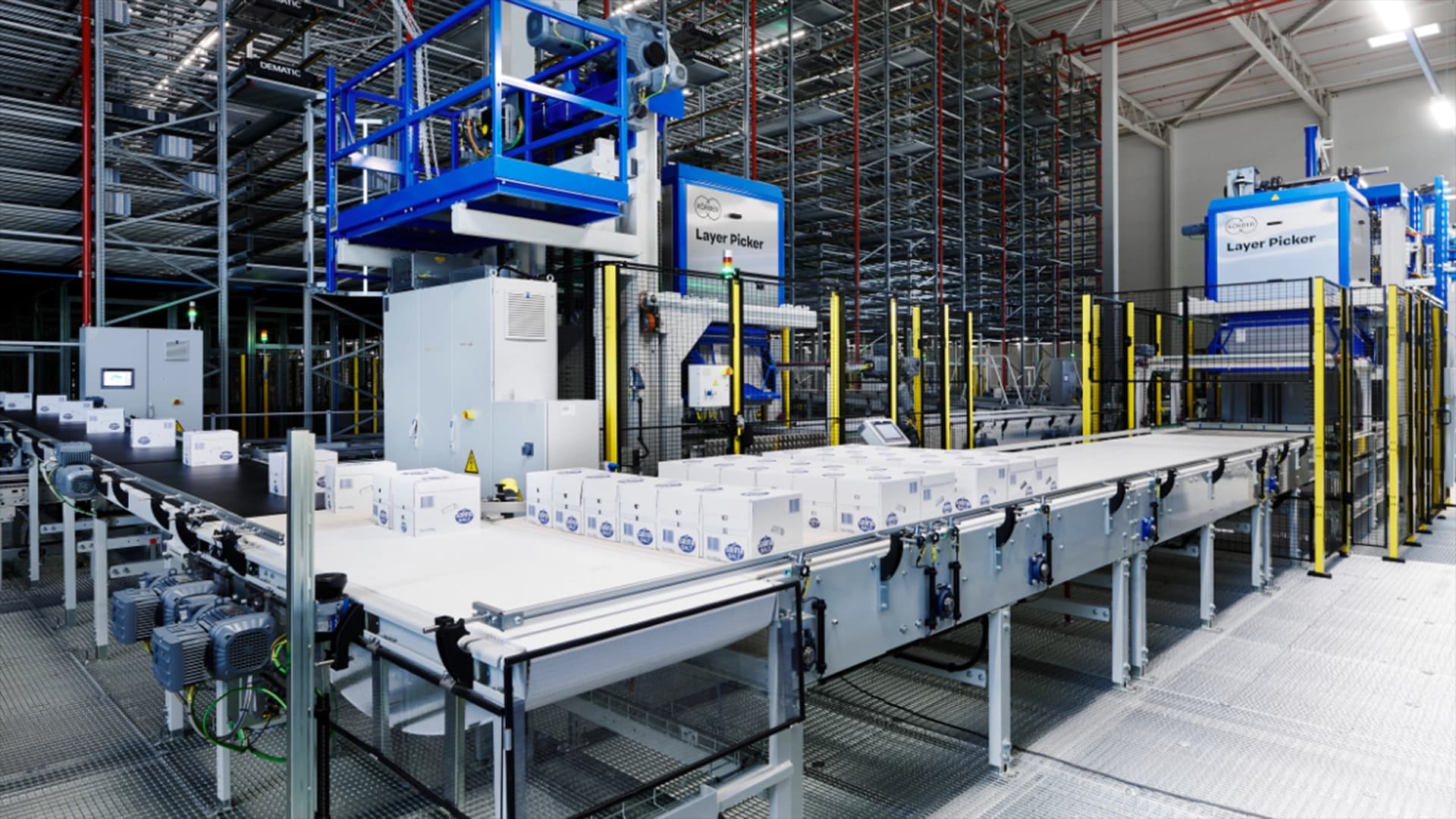
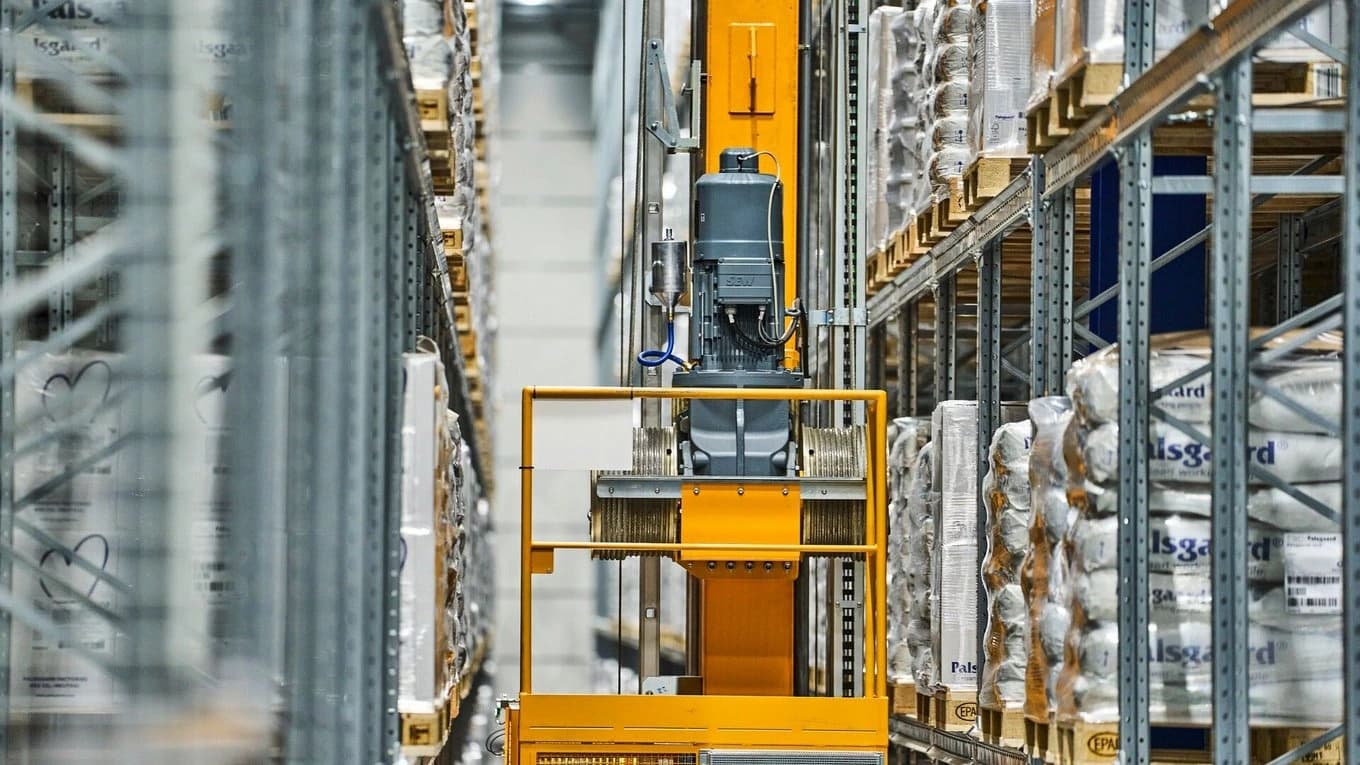
- Automated Storage and Retrieval Systems (ASRS): Vertical storage systems that maximize available space.
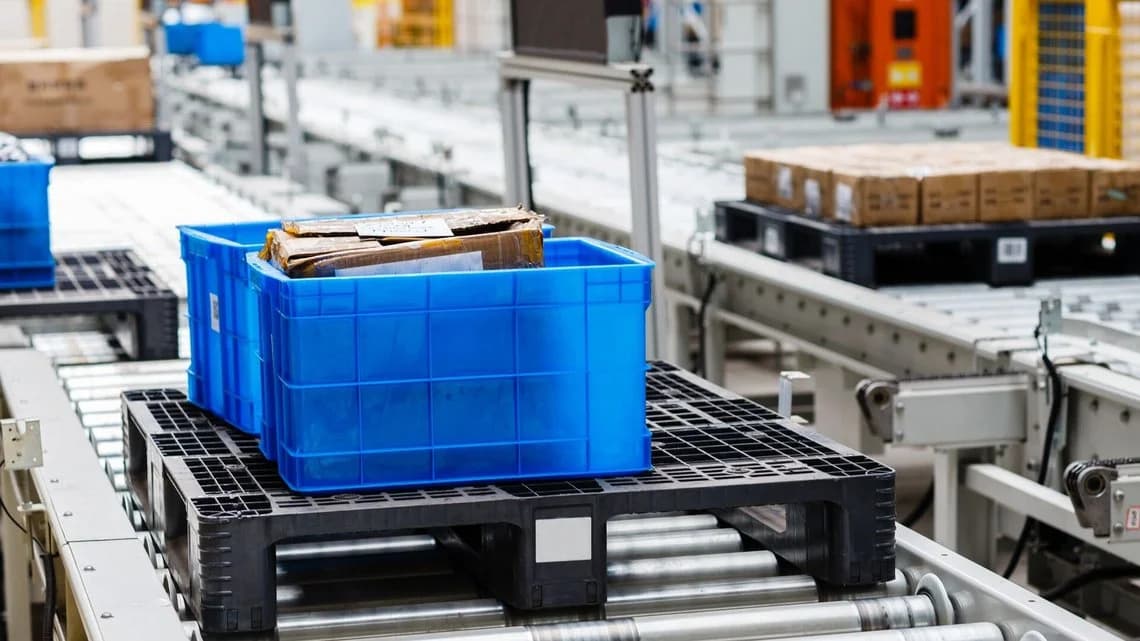
- Conveyor System: Efficiently transport materials to the warehouse.
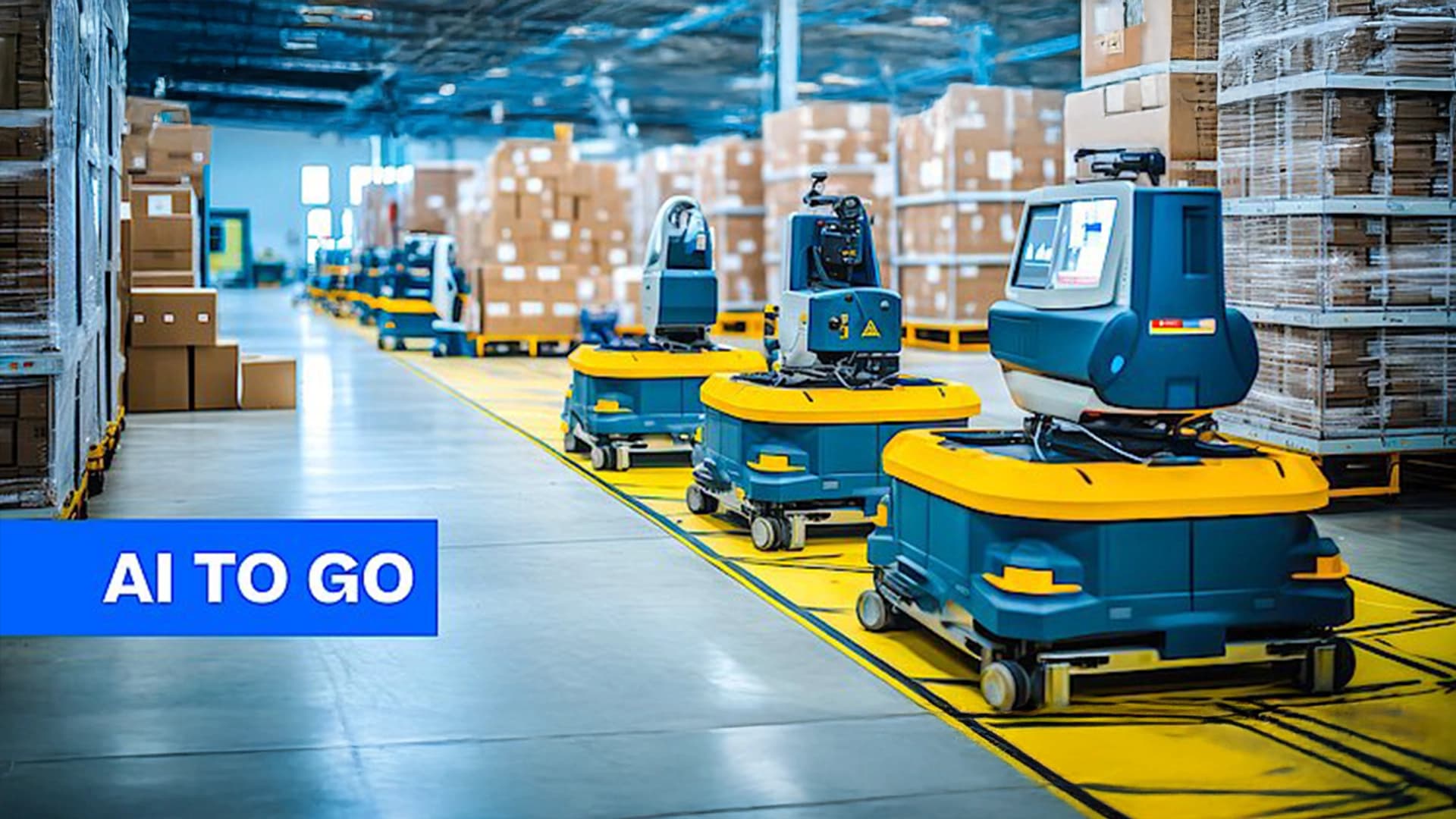
- Autonomous mobile robots: Help with tasks such as material handling.
- Digital Automation: Use data and software to reduce manual processes.
Enterprise resource planning (ERP) system integration: Enhances security and data management.
Radio frequency identification (RFID) and mobile barcode scanning: to improve employee experience and reduce errors.
Remember that despite the upfront cost of warehouse automation, the benefits—such as improved productivity and fewer human errors—are substantial Future-day robotics and artificial intelligence (AI) to be added to the warehouse floor. Start by analyzing your needs and gradually implement automation solutions that align with your business goals.
Why warehouse automation is important
1. Reduced Cost and Complexity: Our automation solutions streamline processes, reducing labor costs and complexity throughout your organization. From automated storage and retrieval systems (ASRS) to conveyor systems, we optimize efficiency, accuracy, and productivity.
2. Operational Agility: Rapid change and innovation. Our solutions empower your supply chain to scale with ease. Whether you’re dealing with peak times or adjusting to market shifts, Körber keeps you up to speed.
3. Competitive advantage: To gain a competitive advantage, you need to have the necessary skills and resources. Our AI-powered data analytics help you choose the right system for your needs.
The Körber difference
1. Strategic Approach: We look at your unique needs and recommend customized solutions. Our experts guide you through the entire journey, from program design to implementation.
2. Minimum downtime: We minimize interruptions during use. Your business runs smoothly as we integrate new features with ease.
3. Technology agnostic: Our solutions use the best quality materials, regardless of the manufacturer. It’s about what works best for you.
Are you prepared for the future?
Körber’s end-to-end supply chain automation sets you up for growth. Whether you’re restoring an existing system or starting a new one, we’re here to turn things around for you. Discover how automation can transform your efforts and lead to success.
Let’s make your work better together!
Get to know our authors

Érica Vilarinho
Field Marketing Manager, Körber Supply Chain PT
With over 15 years’ experience in Marketing & Communication, Erica Vilarinho embarked on her professional journey at just 14 years old as a Producer and Radio Host in Rio de Janeiro, Brazil, in 1997. Transitioning to Porto, Portugal, in 2005, she ventured into Communications as a Communications & Entertainment Producer at TVTEL. Erica pursued her academic endeavors, earning degrees in Communications, Public Relations & Advertising, and Digital Business from Porto, Minho, and Porto Business School Universities. Her career swiftly evolved into the Business-to-Business sector, where she excelled in roles ranging from Public Relations to Brand, Communications, and Marketing Management, including Digital Marketing, across various industries such as Health, Sports, Silver, and Food. In 2017, Erica embarked on a new chapter in Supply Chain with Körber Supply Chain Portugal, overseeing and managing all Marketing activities for the Iberia, UK, and Benelux markets.
You may also be interested in: