Körber pursues ambitious climate targets

About usSustainability

In October 2023, we raised our ambitious climate goals to a higher threshold and had our commitment to net-zero CO₂e emissions throughout the entire value chain by 2040 verified by the Science Based Targets initiative (SBTi).
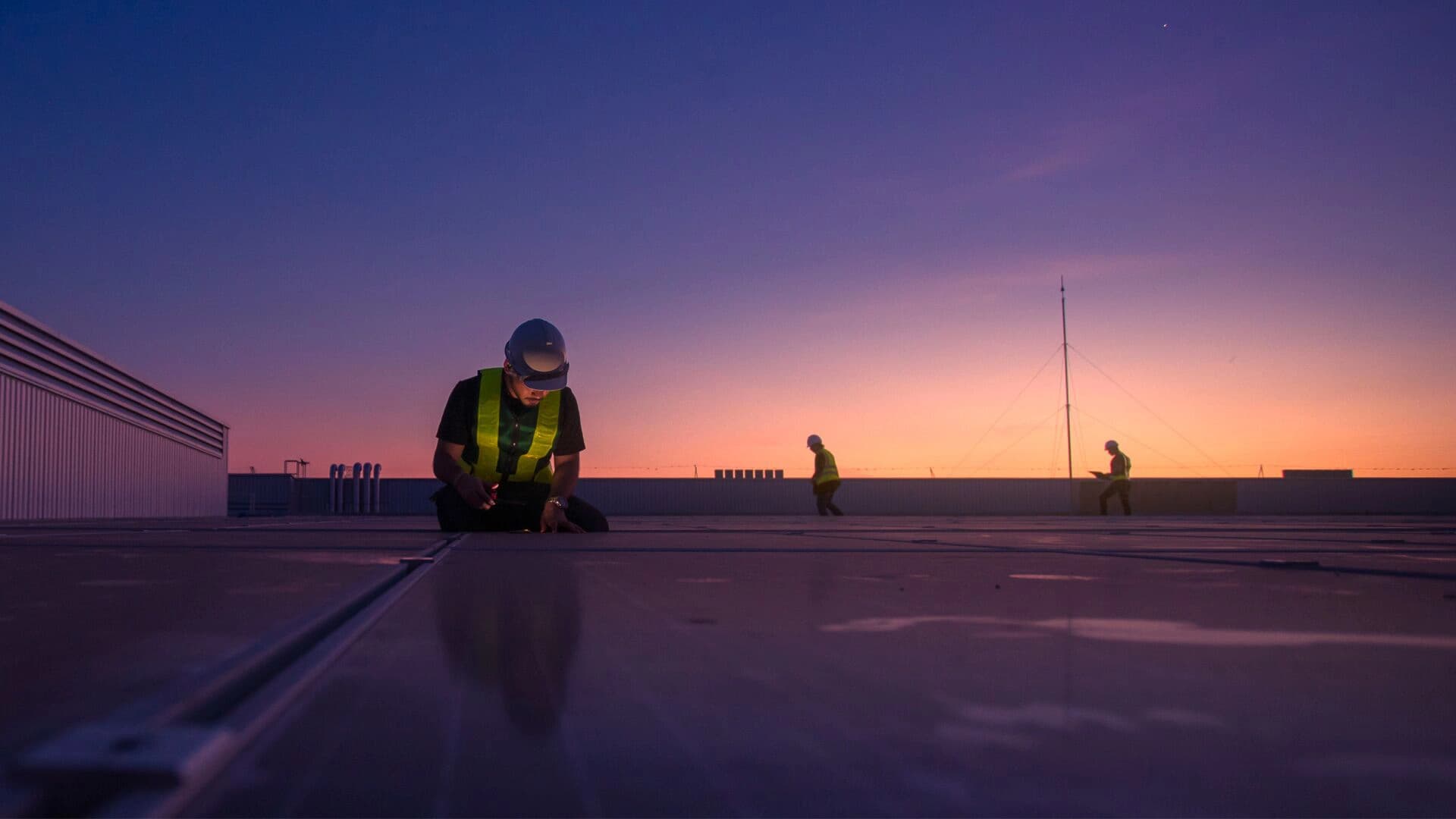
Silhouetted workers on a rooftop during a vibrant sunset.
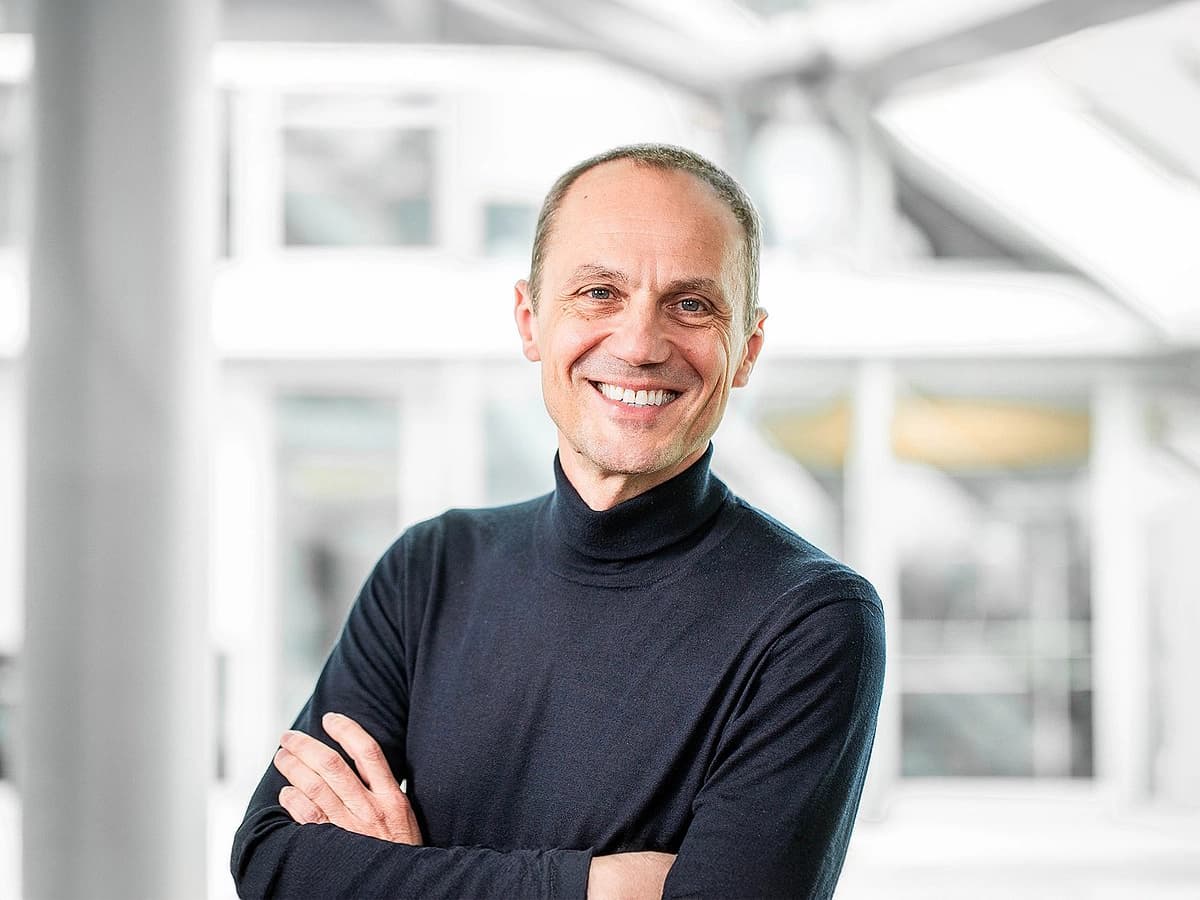
Erich Hoch, Group Executive Board Member and responsible for Körber's sustainability strategy

"Our net-zero targets are much more than mere numbers. They are a game changer and serve as our driving force for more sustainable development of our products, solutions, and services."

Erich Hoch

Group Executive Board Member and responsible for Körber's sustainability strategy

“For us, this is also a factor for our financial success,” declares Erich Hoch, Group Executive Board Member and responsible for Körber's sustainability strategy. “Sustainability has long held positive associations in the business world. In addition to our clear, decades-long stance on environmental awareness, it is also the market, our clients and our employees who give us strength and continue to motivate us on our journey.” 
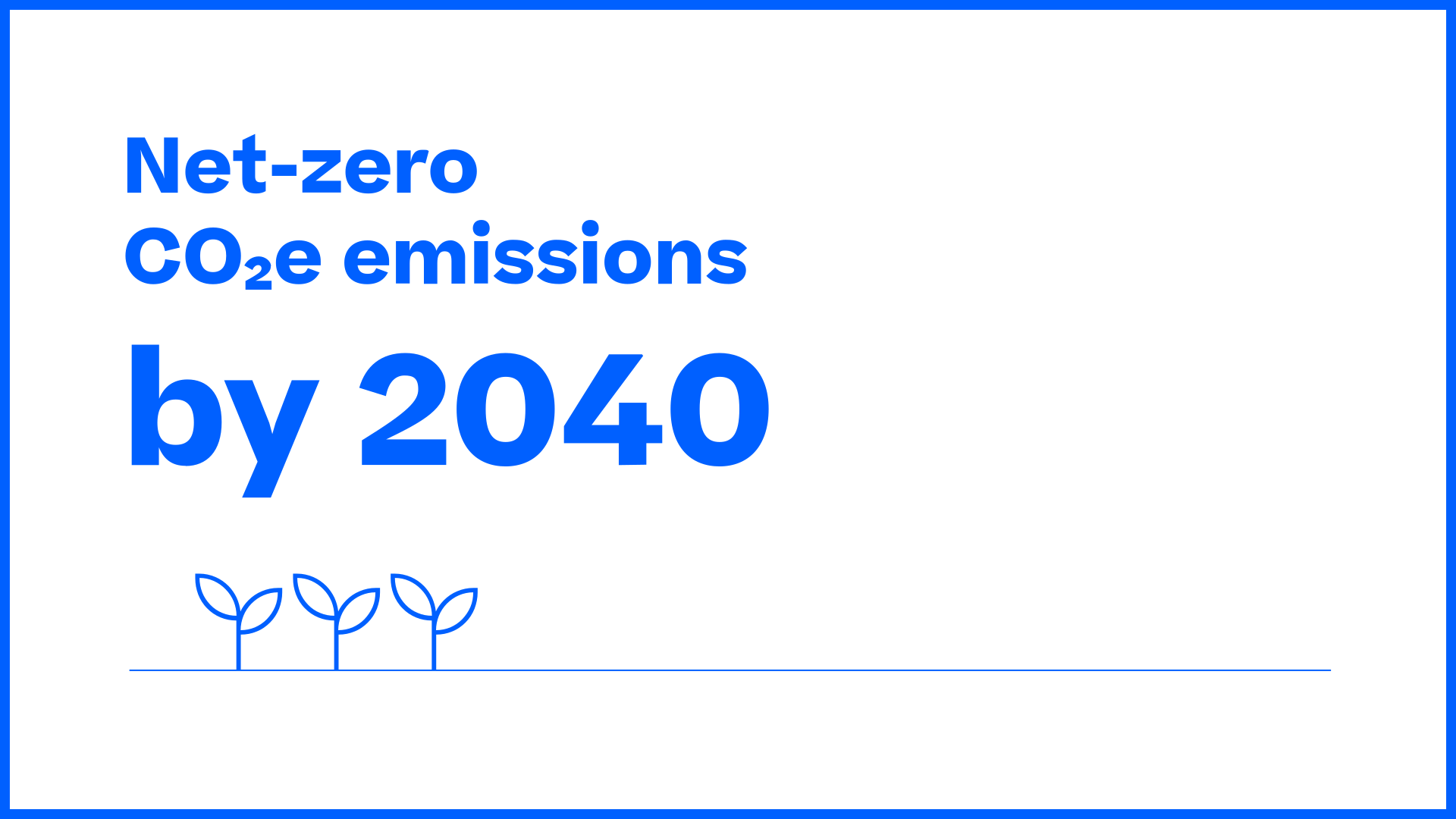

Net-zero Co2e emissions by 2040

Net-zero CO₂e emissions by 2040

We work with these stakeholder groups on different levels and in a large number of projects to achieve our ambitious goals and make our contribution to protecting the environment. Examples of this include our sustainable design for our new production facilities as a further contribution to achieving our net-zero targets in our own production processes (emissions in Scope 1 and 2). Effective measures to achieve our net-zero targets in Scope 3 are the implementation of our Ecodesign approach in product development and our working relationship with our clients or even also a number of business partners in the value chain with the aim of developing environmentally friendly solutions and products. 

Michaela Thiel, Head of Sustainability, Körber AG

"The SBTi’s ‘Corporate Net-Zero Standard’ is the world’s only framework for companies to set net-zero targets in line with climate science. In this way, we make a maximum contribution to climate protection."

Michaela Thiel

Head of Sustainability, Körber AG

Construction projects for climate protection
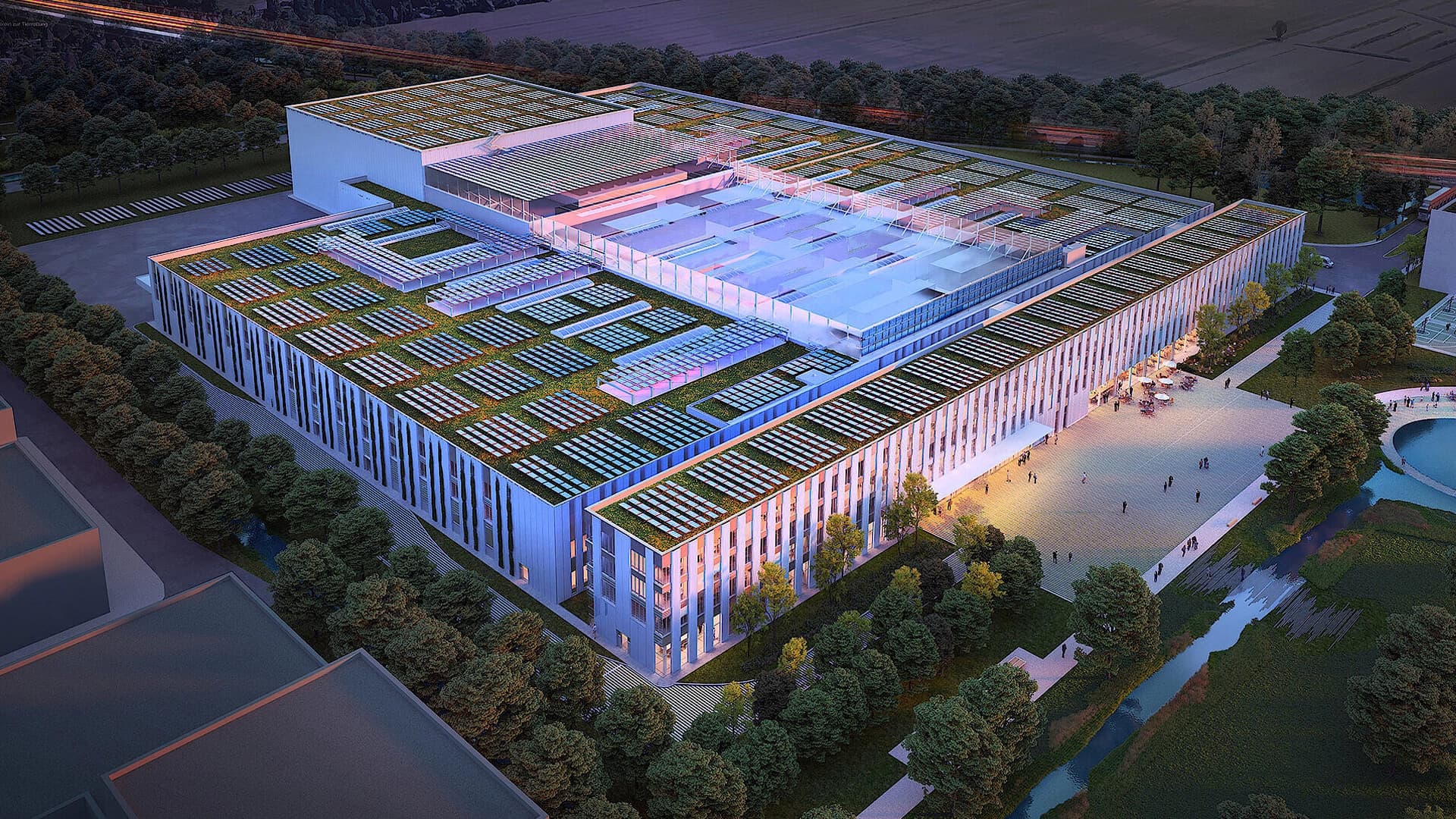
Top view of Körber campus

Sustainable Planning

Own power generation

Geothermal Energy

Green Roof
One example of environmentally friendly new buildings is the new construction in Hamburg Bergedorf, where the Körber Business Area Technologies brings together the former Bergedorf and Schwarzenbek locations in an ultramodern new building to create the ‘factory of the future’. With this change, we have also managed to solve the problem of very high energy consumption at the two existing locations. In addition to using a green roof for rainwater harvesting and domestic water use, we are prioritizing self-generated electricity from photovoltaics and heat recovery from geothermal energy as part of the sustainability plan for the new location. The energy efficiency attained and the eradication of fossil fuels make the construction project one of the Group’s foremost initiatives in attaining the net-zero target for our own production processes (what are known as Scope 1 and 2 emissions). 

Another example is the Business Area Pharma’s new production site in the Swiss town of Grabs. Here, around 365 employees will work in a new building complex from the second half of 2026. Planning for this facility centered on sustainability aspects such as the use of geothermal energy, solar panels, district heating, and electrical transport options.

Nico Stüssi, Chief Operating Officer for the Business Unit Packaging in the Business Area Pharma

What role does sustainability play in the construction of the new plant for the Business Unit Packaging in Grabs?

Nico Stüssi: In light of our impressive growth rates, we have substantially increased our capacities over recent years and are now working at six locations in Grabs and the surrounding area. Our new building will ensure much greater efficiency and sustainability since we’ll be bringing our locations together in a space measuring almost 25,000 square meters. This will make our processes considerably more efficient and we’ll save on a substantial number of journeys and shipments between the locations.
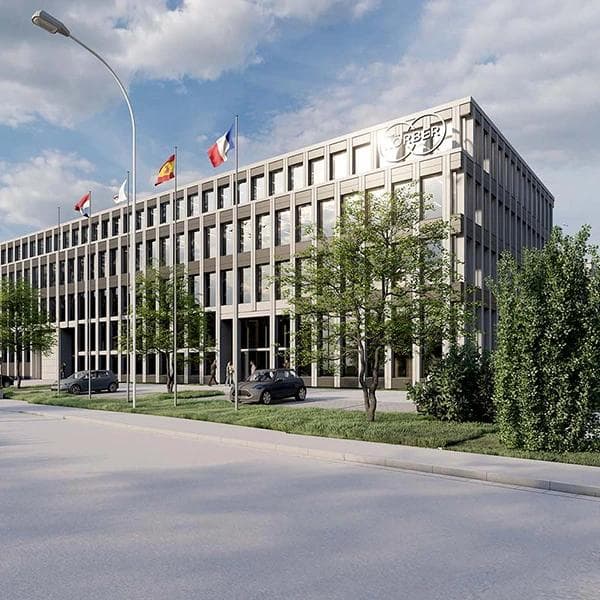
Körber campus

Were sustainability aspects also included in planning for the building?

Nico Stüssi: They formed an essential part of the design concept. Among other things, we’re using geothermal energy for heating and cooling our building and thus meet around half of the location’s needs. We’ll acquire the rest through regional district heating from a nearby waste incineration plant.
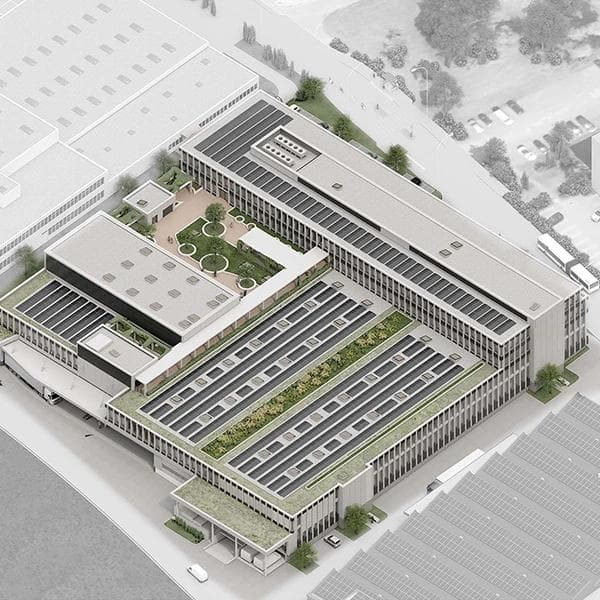
Körber campus 3D planning

There will also be more than 1.000 solar modules on the green roofs at the new location...

Nico Stüssi: These are integral to our electric transport concept among other elements. We’re installing a loop network with electricity from our solar panels in our new building’s underground parking lot. This will allow us to install charging stations for electric vehicles at each of the 200 parking spaces and in the bicycle parking area. We’re starting with about 40 such parking spaces and will expand as required.

Marwin Krull, Product Owner Customer Portal and Sustainability Lead for the Körber Business Area Pharma

“Exchanging data throughout the entire value chain enables companies to arrive at informed decisions and make a positive contribution to protecting the environment.”

Marwin Krull

Product Owner Customer Portal and Sustainability Lead for the Körber Business Area Pharma and member of the ‘Alliance to Zero’

Collaboration is also the driving force behind a project where, as part of the ‘Alliance to Zero’ since its founding in June 2021, we have joined forces with other companies in the pharmaceutical industry to actively advance the decarbonization of pharmaceutical products and their associated value chain. This organization aims to jointly create business models and solutions for pharmaceutical products which are designed to reduce greenhouse gas emissions and are based on the principles of a circular economy. It should be possible to use these for a wide variety of existing and future pharmaceutical products and help introduce net-zero products over the coming years.

Alliance to Zero

“Since the ‘Alliance to Zero’ was founded, it has been our common goal to analyze the CO₂e footprint of pharmaceutical products and use innovative approaches to gradually reduce them. The alliance is currently focusing on auto-injectors,” explains Krull. “There are members of the ‘Alliance to Zero’ involved in all the different areas of the value chain for auto-injectors – from glass cartridge manufacture through to auto-injector production and assembly. We examine the product components together with scientists and help them in their search for alternative materials and production methods which meet strict regulatory requirements.”

From an environmental perspective, adapting the auto-injector design would be beneficial to make it easier to disassemble, for example, or create ways to reuse individual components. Nevertheless, these potentials are countered by legal and regulatory requirements, and, obviously, patient safety remains paramount. “When addressing such matters, the benefits of cross-company collaboration, such as the one we foster in the ‘Alliance to Zero’, become evident,” states Krull. “In this initiative, we have the opportunity to discuss challenges and concerns in a suitable forum with relevant specialists and decision-makers. In this way, we can detect potential obstacles in good time, respond to them appropriately, and come closer to our goal of a net-zero product.”