- Insights, stories & events
- Technology Insights
- Multi Segment Maker
The Multi Segment Maker (MSM): a machine for all needs
9 min read
As a long-standing innovative partner to the tobacco industry, Körber develops outstanding solutions that set new standards. Körber is playing a key role in shaping the industry's transformation, which is increasingly focused on alternative products to traditional cigarettes.
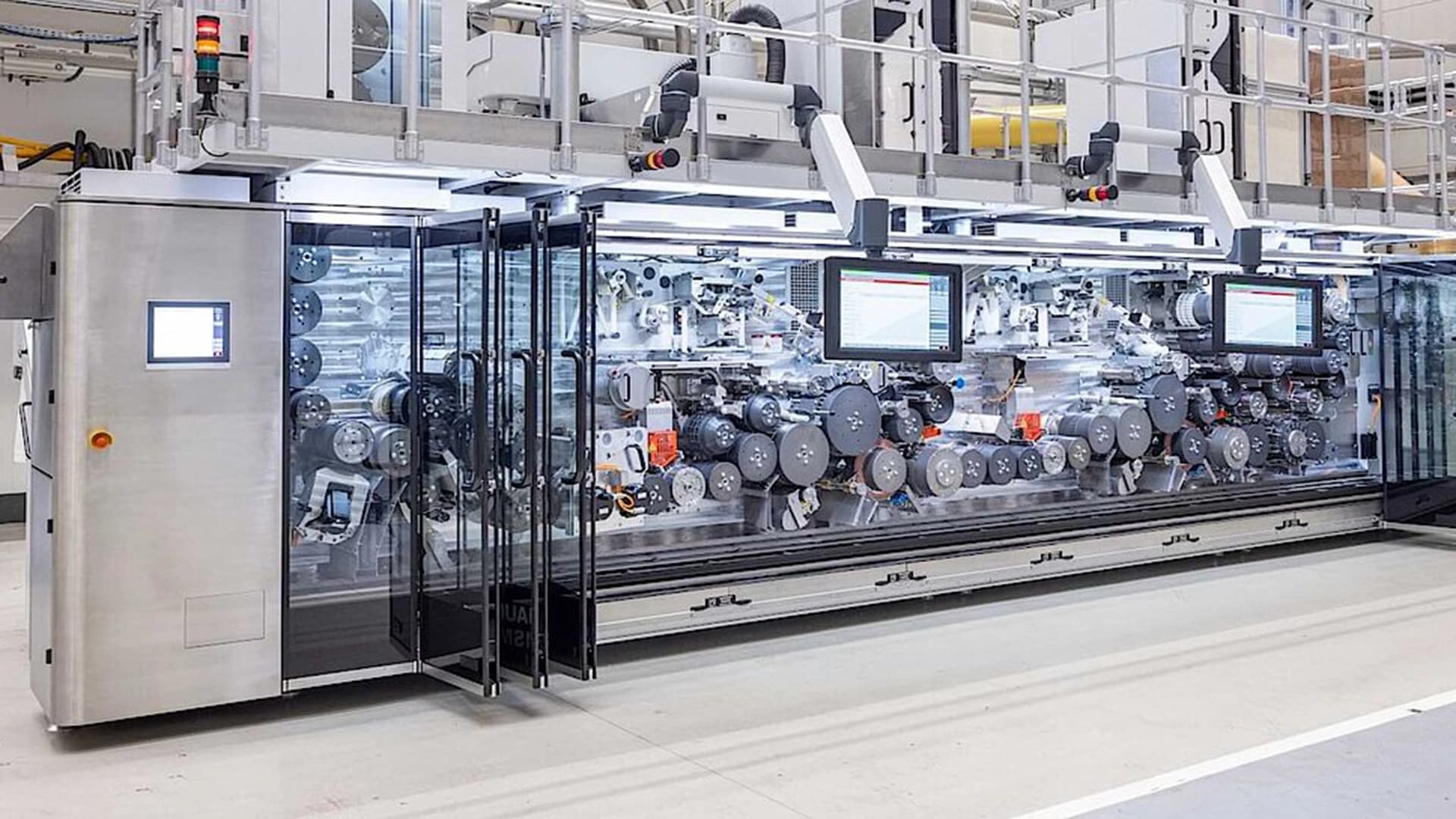

"It works like a modular system: each MSM is configured specifically for the customer’s application, combining the capabilities of various successful machine types and further perfecting them through continuous development."
Carsten Wulf
Technical Sales Specials, Körber Business Area Technologies
How has the development process between you and your customers changed?
Kai Karstens: Things move much faster now. The new Tobacco Heated Product technology has significantly shortened the product lifecycle. A new generation enters the market every few years, requiring corresponding machines within the same timeframe. A flexible, adaptive quality product like our Multi Segment Maker (MSM) offers innovation security by being adjustable to meet changing product specifications.
Carsten Wulf: With the MSM as a foundation, we can quickly implement new product ideas from our customers and bring them to industrial production. That’s why customers involve us early in the development process to minimize the time between product creation and market launch. Unlike in the past, the mindset is changing, and we now continue to develop the machine alongside our customers during production. The materials used in Tobacco Heated Products, especially paper and adhesives, place high demands on machine technology.
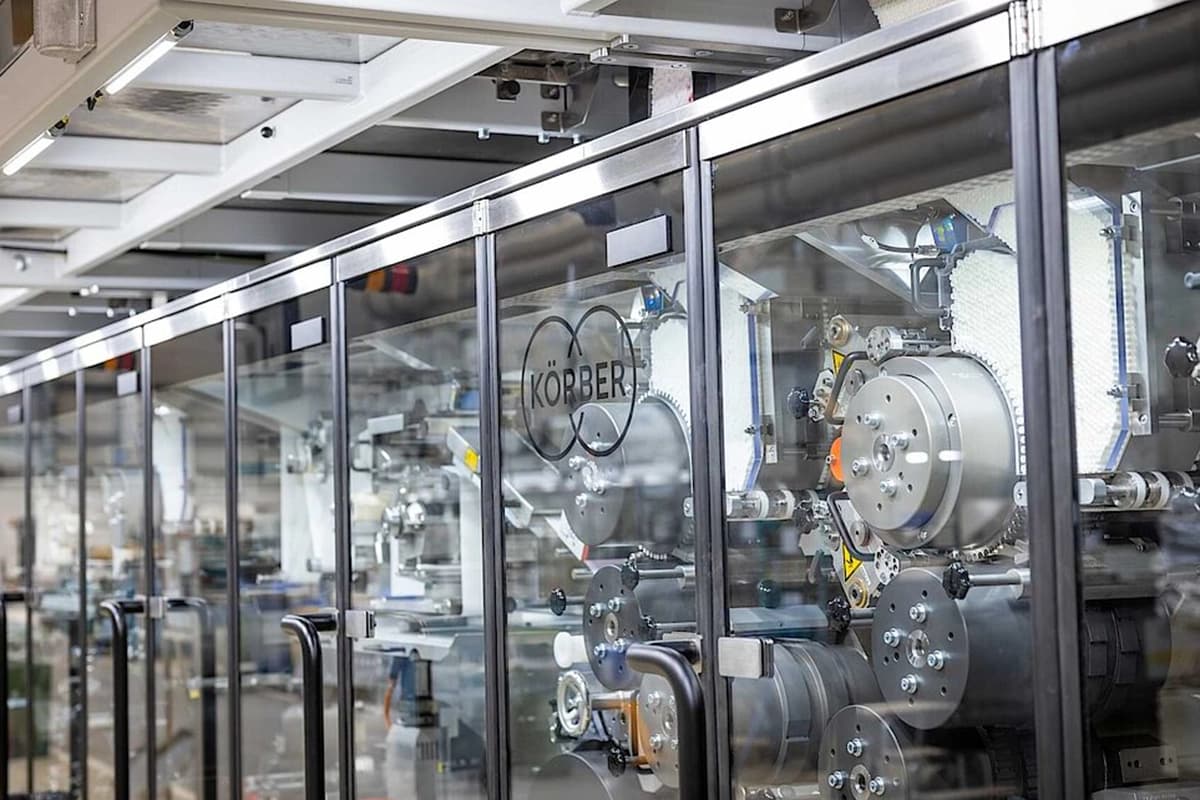

"What excites me most is the versatility of the Multi Segment Maker. The composition of the stick is constantly changing, and our flexible modular concept is perfect for adapting to all scenarios."
Kai Karstens
Executive Vice President Global Sales & Account Management, Körber Business Area Technologies
Your benefits with the MSM
Modularity
THP Maker with a flexible, modular design
Ease of use
Process visibility and machine accessibility like never before
Uniqueness
Customizable and expandable for specific customer requirements
Advanced technology
Patented assembly groups and processes
Adaptability
Outstanding extensibility for additional quality controls
Speed
Up to 12,000 products per minute
You may also be interested in: